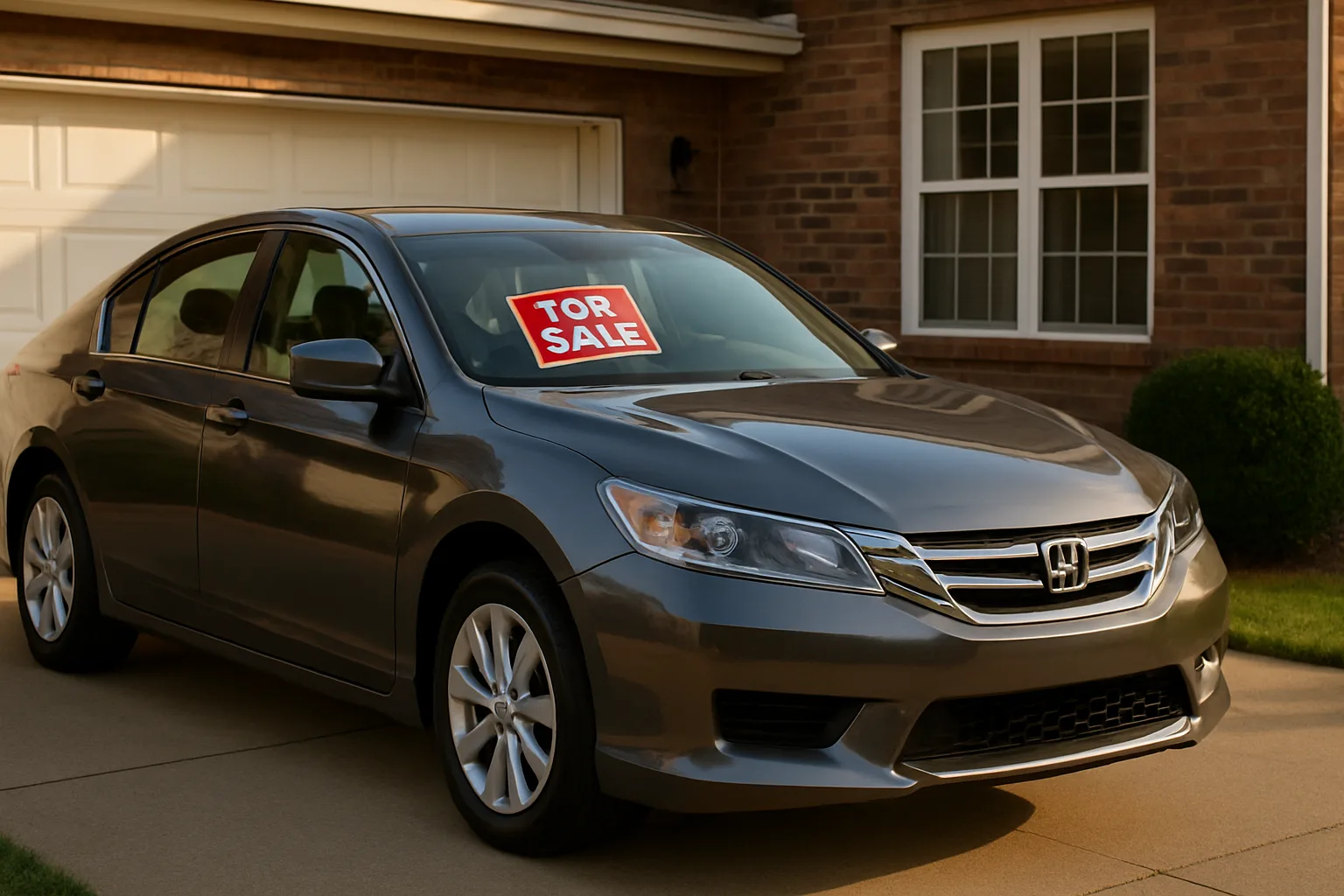
Most people hand over their keys and never think about it again. But your vehicle doesn't just disappear — it gets broken down, sorted, and fed back into the supply chain piece by piece. Understanding what actually happens after you sell your car for scrap changes how you think about its value. And if you're in Atlanta trying to sell my car fast Atlanta-style — same week, no hassle — knowing this process helps you ask better questions and get a better outcome.
Here's the full picture: from the moment your car leaves your driveway to the moment it becomes something new.
Step One: Your Car Gets Assessed, Then Stripped
The first stop for most end-of-life vehicles is a licensed auto dismantler or salvage yard. These aren't just junkyards anymore. Modern dismantlers run lean operations — they catalog every vehicle, pull usable parts systematically, and track inventory. Think of it as reverse manufacturing.
Before anything gets cut, a trained tech does a walkaround. They're looking for sellable parts: doors, hoods, bumpers, transmissions, engines, seats, electronics, mirrors, and glass. Anything with resale value gets pulled and tagged. Parts that pass a basic test go into inventory for resale — either locally in Georgia or through national used-parts networks. This is one reason why your car may be worth more than straight scrap value. A 2018 F-150 with a working engine is worth more in parts than it is per ton of steel.
- High-value parts pulled first: Catalytic converters, engines, transmissions, alternators
- Body panels: Hood, doors, fenders — if undamaged, these sell fast
- Interior components: Seats, dashboards, infotainment units
- Glass: Windshields and rear glass are expensive new — used ones move well
Fluids come out before anything else. Oil, coolant, brake fluid, transmission fluid, and refrigerants are all drained and handled separately. This is regulated — environmental compliance isn't optional in Georgia or anywhere else in the U.S. A shop that skips this step is cutting corners and creating liability.
The Catalytic Converter Question — and Why It Matters for Cash for Junk Cars Atlanta
If you've looked into cash for junk cars Atlanta, you've probably heard someone mention the cat. The catalytic converter is one of the most valuable components on any gas-powered vehicle. It contains platinum group metals — platinum, palladium, and rhodium — which are worth real money on the commodity market. Prices shift with the metals market, which is why scrap metal prices today matter even when you're selling a whole car.
Converters are pulled carefully and sold to processors who refine the platinum group metals out of the ceramic substrate. Higher-value vehicles — trucks, SUVs, luxury cars — tend to have larger or multiple catalytic converters. If you're selling a 2015 Chevy Tahoe versus a 2005 Civic, the converter value alone can be a meaningful difference in your offer.
This is exactly why getting a proper sell car for scrap quote matters. A buyer who isn't accounting for the cat, the engine condition, and the parts value is leaving money on the table — and so are you. Platforms like SMASH Cars connect you with buyers who know what they're looking at and price accordingly.
From Parts to Bulk Metal: How Scrap Car Value Per Ton Gets Calculated
Once the parts are pulled and fluids are drained, what's left is the vehicle body — frame, body panels, remaining mechanical components. This is the hulk. It gets crushed and shredded.
A car crusher compresses the hulk into a compact block, roughly the size of a mini-fridge. Those blocks get loaded and transported to a shredder facility — a massive industrial machine that reduces the crushed vehicle into fist-sized chunks of mixed metal in under a minute. Loud doesn't begin to cover it.
After shredding, magnets and eddy current separators sort the material by type:
- Ferrous metals (iron and steel) — pulled by magnets, the largest portion by weight
- Non-ferrous metals (aluminum, copper, zinc) — separated by density and conductivity
- Fluff (foam, plastic, glass, fabric) — the residue that goes to landfill or specialized processors
This is where scrap car value per ton becomes the direct benchmark. Steel prices drive the base value of any scrap vehicle. Aluminum content — engine blocks, wheels, radiators — adds to the non-ferrous yield. A heavier vehicle yields more metal. That's why a full-size pickup truck will always command a higher base scrap price than a compact sedan, even when both are equally non-running.
Scrap metal prices fluctuate with global commodity markets. Steel demand from manufacturing, construction, and automotive production all feed into what your local Atlanta yard pays per ton on any given week. Disclaimer: All metal prices fluctuate. Check current rates before making a decision — what's accurate today may shift significantly within weeks.
The Steel Gets Recycled — Here's Where Your Car Goes Next
Recycled steel from scrapped vehicles is a genuine industrial input. It doesn't get downgraded into an inferior product — steel is one of the most recyclable materials on earth, and recycled steel performs the same as virgin steel in most applications.
The sorted ferrous scrap gets sold to steel mills and electric arc furnace (EAF) operations. EAF mills run almost entirely on recycled scrap. The metal gets melted, refined, and poured into new coils, beams, rebar, or sheet steel. That material feeds back into manufacturing — including automotive manufacturing. The steel in a new truck rolling off a line in 2026 may contain material that was once part of a scrapped vehicle in Georgia.
Aluminum follows a similar path. It goes to secondary smelters, gets refined, and returns as aluminum sheet, casting alloy, or extrusion billet. The non-ferrous stream is worth more per pound than steel, which is why buyers pay attention to it.
You can browse car selling tips on our blog to learn more about how metal content affects the offers you receive and how to prepare your vehicle before it's picked up.
What Happens to the Title — and Why It Matters Before You Sell
Scrapping a car isn't just physical — there's a paper trail that has to follow it. In Georgia, when a vehicle is scrapped, the title is supposed to be surrendered to the buyer or processor. The vehicle gets reported as destroyed to the Georgia Department of Revenue. Failure to do this properly can leave you liable for a vehicle you no longer own.
This matters if you're trying to sell my car fast without going through the hassle of a full private sale. A legitimate buyer handles the title transfer as part of the transaction. If a buyer is offering you cash and skipping the title question, that's a red flag — not a shortcut.
Selling an inherited car, an estate vehicle, or a car after an accident adds complexity. Titles may be in a deceased person's name. There may be liens. The car may have a salvage title already. These situations are common in Atlanta and across Georgia, and a good buyer will know how to navigate them. When you get a free car valuation through SMASH Cars, you get connected with buyers who handle these scenarios regularly — not someone who disappears when the paperwork gets complicated.
Getting More Than Scrap Value in Atlanta — The Part Most Sellers Miss
Here's the part that surprises most people: your end-of-life car may be worth meaningfully more than its weight in steel. The parts market, the converter value, and the aluminum content can add real money to an offer. But you only capture that value if you're selling to someone who's actually accounting for it.
The old way — calling one local yard, taking whatever number they give you — doesn't create any competitive pressure. The yard knows you're calling one place. They have no incentive to sharpen their offer.
Getting multiple buyers competing for your vehicle changes that dynamic. It doesn't matter if you're selling a running car, a non-runner, a car with a salvage title, a written-off vehicle, or a truck that hasn't moved in three years. Competition can help reveal the market. More buyers means better price discovery.
That's the core idea behind connect with trusted auto buyers in the USA through SMASH Cars. You submit your vehicle details once. Vetted buyers see it and respond. You're not guessing at your car's value — the market tells you. For Atlanta sellers who want to move fast and get a fair number, this approach beats cold-calling yards one by one.
You can also check getmyscrapcar.com for additional resources on scrap car removal and valuation across the U.S.
If you're in the Atlanta metro — whether that's Buckhead, Marietta, Decatur, or anywhere else in the Georgia market — the process works the same. Submit your vehicle. Get real offers. Pick the one that works. SMASH handles the connection; you handle the decision. Ready to find out what your car is actually worth? Get your free offer at smash-cars.com.
Stay current on scrap metal market trends and vehicle selling strategies by following SMASH on LinkedIn at linkedin.com/company/scrap-metal-auction-sales-hub.
Frequently Asked Questions
Q: How long does it take to sell my car fast in Atlanta?
With the right buyer, same-day or next-day pickup is realistic for most vehicles in the Atlanta area. The faster you can confirm title availability and vehicle location, the faster the process moves. Platforms like SMASH Cars are built to connect you with buyers quickly — not drag out the process.
Q: How is my scrap car value calculated?
Base value comes from the vehicle's weight in steel, benchmarked against current scrap metal prices. On top of that, buyers factor in usable parts (especially the catalytic converter), aluminum content, and whether the engine or transmission has resale value. A heavier or more parts-rich vehicle typically yields a higher offer.
Q: Can I get cash for junk cars in Atlanta even if the car doesn't run?
Yes. Non-running vehicles are bought and scrapped regularly. A car that won't start still has metal value, parts value, and converter value. You'll need to provide accurate information about its condition — buyers price based on what they're picking up, not what they hoped they'd find.
Q: What do I need to sell my car for scrap in Georgia?
In most cases, you need the vehicle title in your name. If you're dealing with an estate, an inherited vehicle, or a car with a lien, additional paperwork is required. A reputable buyer will walk you through it — don't accept an offer from anyone who waves off the title question entirely.
Q: Will scrap metal prices today affect what I'm offered for my car?
Yes, directly. Steel prices and non-ferrous metal commodity prices shift regularly based on global demand and supply conditions. A quote you receive today may differ from one you get in two weeks. If prices are trending up, moving quickly can work in your favor. If you're uncertain, getting multiple offers at the same time gives you a real-time snapshot of the market. Always check current rates — prices fluctuate and past figures don't guarantee future values.
```