Your junk car might be worth more than you think — and a single part under the hood could be the reason why.
Most people assume scrap car value today is determined by weight alone. Steel prices, vehicle condition, maybe the year and make. But there's one component that quietly drives more variation in junk car offers than almost anything else: the catalytic converter. If you're trying to figure out what your old vehicle is actually worth before you sell it, understanding how cats affect the number you get quoted is one of the most valuable things you can learn.
This is especially true in markets like Seattle, where buyers are active, competition is real, and the difference between a low-ball offer and a fair one can come down to whether the person quoting you actually knows what's under your car.
What Is a Catalytic Converter and Why Does It Command Such High Value?
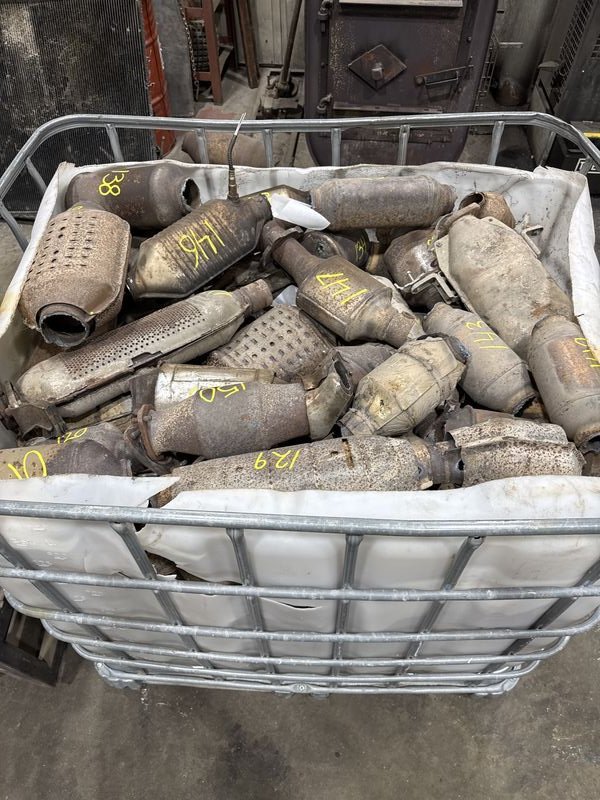
A catalytic converter is an emissions control device built into your vehicle's exhaust system. It reduces harmful pollutants before they exit through the tailpipe. What makes it valuable isn't the steel casing — it's what's inside: a ceramic honeycomb substrate coated with platinum group metals (PGMs). We're talking platinum, palladium, and rhodium.
These metals are genuinely rare. They're mined in limited quantities, primarily from South Africa and Russia, and industrial demand for them extends well beyond automotive applications. When precious metal markets move — and they do, sometimes sharply — catalytic converter recovery values move with them. A cat that might have recovered $80 in value a few years back could be worth dramatically more or less depending on current PGM spot prices. That volatility flows directly into your scrap car offer.
Here's what most sellers don't realize: the catalytic converter can represent a significant portion of a junk car's total value — sometimes more than the steel content of the entire vehicle body. That's why buyers care so much about whether your car still has its cat intact.
How Scrap Car Value Today Is Calculated — The Full Picture
When a buyer gives you an offer on a scrap or junk vehicle, they're working through a mental formula. Understanding that formula helps you know whether you're getting a fair price or leaving money on the table.
The main factors in play:
- Vehicle weight and steel content — Heavier vehicles with more ferrous metal yield more at the scrap yard. A full-size truck or SUV has a clear advantage over a compact sedan here.
- Non-ferrous metals — Aluminum, copper wiring, and other non-ferrous materials add value beyond the base steel weight.
- Catalytic converter(s) — This is the wildcard. One cat, two cats, or the rare three-cat configuration on certain vehicles changes the math significantly. The make, model, and engine type determine what PGMs are inside.
- Reusable parts — Functioning alternators, starters, wheels, doors, and engines can all be sold into the used parts market, adding value if a buyer is equipped to harvest them.
- Current scrap metal pricing — Regional steel and non-ferrous prices shift week to week based on demand, export activity, and market conditions.
Ignore any of these variables and you're guessing. That's exactly why getting multiple quotes matters — different buyers weigh these components differently, and connect with trusted auto buyers in the USA through SMASH Cars to make sure you're working with buyers who actually price these factors correctly rather than defaulting to a lowball flat rate.
Which Vehicles Have the Most Valuable Catalytic Converters?
Not all catalytic converters are equal. The PGM content varies significantly by manufacturer and engine type. Some general patterns are worth knowing if you're trying to assess your car's potential scrap value today before you call anyone.
Vehicles known to carry higher-value catalytic converters tend to include:
- Toyota Prius and hybrid vehicles — Hybrids often carry higher PGM concentrations because their cats operate at lower temperatures and need denser precious metal loading to function.
- Trucks and larger SUVs — More engine displacement often means larger cats with more substrate material.
- Luxury and European brands — Certain BMW, Mercedes, and Lexus models are known to carry cats with elevated PGM recovery values.
- Older V8 vehicles — Pre-direct-injection engines with traditional exhaust setups sometimes carry higher-value converters than newer models.
If your vehicle has been stolen of its catalytic converter — a persistent issue in Washington state and across the Pacific Northwest — your scrap value drops noticeably. Buyers will factor in the missing component immediately. Be upfront about it. Honest disclosure builds trust and keeps the transaction moving.
Selling a Scrap Car in Seattle: What the Local Market Looks Like
Seattle's scrap car market is active. The region has a dense network of recyclers, auto salvage yards, and independent buyers — which is both good and bad news for sellers. Good because competition exists. Bad because the range of offers you might receive for the same vehicle can be surprisingly wide.
In Washington state, sellers dealing with estate vehicles, accident write-offs, or uninsured cars also have specific title and documentation requirements to navigate. If you're asking yourself whether you can sell car for scrap metal without title in Washington, the short answer is: sometimes, with the right buyer and the right documentation alternatives. Some buyers will work with a bill of sale, a registration document, or a VIN verification — but the rules vary, and you need a buyer who knows how to handle these situations legally.
If phrases like cash for cars no title near me free have been in your recent search history, you're not alone. Estate sales, inherited vehicles, and post-accident cars frequently come with title complications. The key is finding a buyer who handles these situations routinely rather than one who walks away the moment paperwork gets complicated. Get a free car valuation and let a professional assess your situation before you assume your car is unsellable.
For local context, Seattle scrap metal services can connect you with buyers who understand the Washington state title process and won't penalize you for paperwork gaps that a competent buyer can work around.
Why the Old Way of Selling a Scrap Car Costs You Money
The traditional approach: call one salvage yard, get one number, take it or leave it. Maybe you call two places if you feel ambitious. That approach might have been fine when all scrap cars were valued purely by weight, but in a market where a single catalytic converter can move a quote significantly, you need real competition to surface real value.
Single-buyer pricing is guessing with your money on the line. A buyer who knows you have no other offers has every incentive to quote you the floor, not the market. That's not a criticism of every scrap buyer — it's just how one-sided negotiations work.
This is where the SMASH model changes the dynamic. Rather than calling one buyer and hoping for the best, SMASH scrap metal auction format connects your vehicle with multiple vetted buyers who bid competitively. That competition does something a single phone call never can: it reveals what your vehicle is actually worth in the current market. More eyes on your vehicle's specs — including that catalytic converter — means better price discovery. No subscription fees. SMASH only wins when you do.
If you want to browse car selling tips on our blog, you'll find practical guidance on how to prepare your vehicle information, what documentation helps, and how to get the most from the process.
How to Maximize Your Scrap Car Value Before You Sell
You don't need to become a metals trader to get a better outcome. A few straightforward steps make a real difference.
- Know what you have. Your vehicle's year, make, model, engine size, and VIN all affect what buyers will pay. Have this information ready before you start getting quotes.
- Confirm the catalytic converter is present and intact. If it's been stolen or previously removed, disclose it. If it's there, mention it specifically — it's a bargaining chip.
- Gather your documentation. Title is ideal, but registration, bill of sale, or other proof of ownership can sometimes substitute depending on your buyer and state.
- Get multiple offers. One quote is a number. Three quotes tell you where the market actually is. Competitive bidding gives you the best read on real value.
- Don't strip the car yourself unless you know what you're doing. Removing parts incorrectly or illegally can complicate the sale and reduce what qualified buyers will pay.
- Time it right if you can. Scrap metal prices fluctuate. If you're not in a rush, watching the market for a few weeks before selling can pay off.
And for Canadian sellers or anyone cross-border — get free scrap car pickup across Canada through a sister service built specifically for that market.
Frequently Asked Questions
Q: How much does a catalytic converter affect my scrap car value today?
It depends on your vehicle's make, model, and engine type — but the impact can be substantial. In some cases, the catalytic converter alone can represent a meaningful portion of a junk car's total offer price. Vehicles with high-PGM converters, like certain hybrids and luxury models, can see significant value differences compared to vehicles without an intact cat.
Q: Can I sell a scrap car in Seattle without a title?
In some situations, yes. Washington state has specific rules around title transfers, but some buyers will work with alternative documentation like a current registration, a bill of sale, or a VIN verification. The key is finding a buyer experienced with no-title transactions. Be upfront about your situation from the start to avoid wasting time.
Q: How do I know if I'm getting a fair price for my junk car?
The only way to know is to get more than one offer. A single quote gives you no frame of reference. Competitive bidding — like what the SMASH platform facilitates — exposes your vehicle to multiple vetted buyers so the market, not a single buyer's margin, determines your price.
Q: Does it matter if my catalytic converter was stolen before I sell my car?
Yes, it matters — but it doesn't make your car unsellable. A missing catalytic converter reduces your vehicle's value, and buyers will factor that in immediately. Disclose it upfront. Honest sellers have smoother transactions and avoid offers being revised downward after the buyer inspects the vehicle.
Q: How quickly can I sell a scrap car in Seattle?
With the right buyer and documentation in order, same-day or next-day transactions are common. Having your VIN, registration or title, and vehicle details ready speeds up the process considerably. Platforms like SMASH help streamline the connection between seller and buyer so there's no guessing about who's serious.
If you're sitting on an unwanted vehicle in Seattle or anywhere across Washington state and you're not sure what it's worth, don't default to the first number someone throws at you. The catalytic converter alone could change your offer significantly — and you deserve to know what the real market looks like. Get connected with trusted auto buyers in the USA through SMASH and get your free offer at smash-cars.com.
Prices fluctuate based on current scrap metal and precious metal market conditions. Always check current rates before finalizing any sale.
Stay current on scrap metal market trends and vehicle selling insights by following SMASH on LinkedIn.