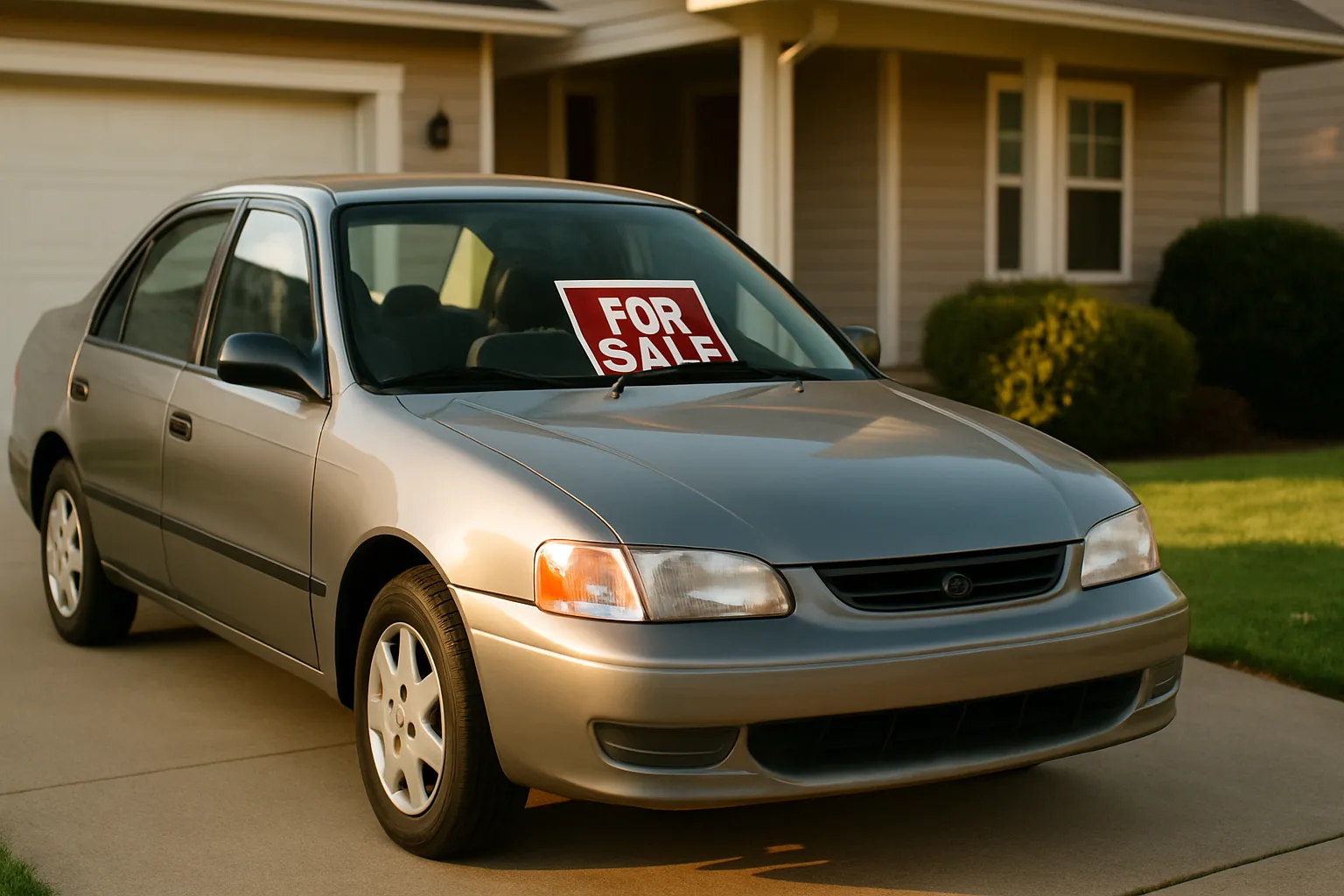
Most people never think about what happens to a car after they sell it for scrap. They just want it gone. But that decision — who you sell to and how they handle the vehicle — has a direct impact on soil, water, and air quality in your community. In a city like Oakland, California, where environmental accountability is taken seriously, responsible vehicle recycling isn't just good practice. It's the difference between a car being properly dismantled and its fluids ending up in a storm drain.
If you're sitting on an old beater, a totaled vehicle, or an inherited car you don't know what to do with, this is the full picture. We'll walk through the real environmental benefits of recycling a vehicle the right way — and why who you choose to remove it matters just as much as the decision to recycle at all. Looking for free scrap car pickup Oakland that actually does this right? Keep reading.
Why Vehicle Recycling Is One of the Most Impactful Environmental Decisions You Can Make
Cars are complicated machines. A single vehicle contains steel, aluminum, copper, zinc, lead-acid batteries, engine oil, transmission fluid, coolant, brake fluid, and catalytic converters loaded with platinum group metals. When a vehicle is abandoned, improperly scrapped, or sent to an unvetted dismantler, those materials don't just disappear. They leak, corrode, and contaminate.
Here's what responsible vehicle recycling actually prevents:
- Fluid contamination: A single gallon of used motor oil can contaminate up to one million gallons of fresh water. Multiplied across thousands of end-of-life vehicles, improper disposal is a serious groundwater risk — especially in dense urban areas like Oakland where runoff flows directly into the Bay.
- Heavy metal leaching: Lead from batteries and mercury from switches can seep into soil for decades. Certified recyclers neutralize these before processing.
- Unnecessary mining demand: Every ton of recycled steel eliminates the need to mine and process raw ore. Steel recycling uses roughly 74% less energy than producing virgin steel. That's not a rounding error.
- Landfill pressure: Approximately 80% of a vehicle by weight is recyclable. Sending that material to a certified recycler keeps it out of landfills entirely.
The point isn't to guilt you. The point is that your old car has real value — environmental and financial — and most people leave both on the table by defaulting to the first buyer who calls back.
The Hidden Environmental Risks of Junk Car Removal Oakland Done Wrong
Not all junk car removal Oakland services operate the same way. Some are fully licensed auto recyclers with certified fluid extraction processes and proper end-of-life material tracking. Others are cash-in-hand operations with minimal oversight and no accountability for what happens to your car after it leaves your driveway.
California has strict environmental standards around vehicle dismantling — the California Department of Motor Vehicles and the Department of Toxic Substances Control both regulate aspects of the process. But enforcement is uneven, and unvetted buyers often sidestep these requirements. That's where the risk lies.
When you choose a buyer through a platform like SMASH, you're not just getting a competitive offer. You're connecting with trusted auto buyers in the USA through SMASH Cars — buyers who are vetted and accountable, not random operators with a tow truck and no paper trail. That vetting has environmental consequences. A vetted buyer processes your vehicle through proper channels. An unvetted one might not.
Watch out for these red flags when evaluating scrap car buyers near you:
- No business address or verifiable license
- Refuses to provide documentation (bill of sale, title transfer confirmation)
- Can't explain where the vehicle goes after pickup
- Pays only in cash with no receipt
- Offers a price by phone without asking basic questions about the vehicle
What Actually Happens to a Car That's Recycled Responsibly
Understanding the process helps you ask better questions — and makes it easier to verify that your buyer is doing it right.
Here's the general flow of responsible vehicle recycling:
- Depollution: All fluids are drained and collected — oil, coolant, brake fluid, transmission fluid, fuel, refrigerants, and battery acid. This happens before any mechanical disassembly. It's the most critical environmental step.
- Parts harvesting: Usable parts — engines, transmissions, doors, seats, electronics — are removed and resold. This extends their useful life and reduces demand for new manufactured parts.
- Catalytic converter removal: Cats contain platinum, palladium, and rhodium — all high-value, recoverable metals. A properly recycled catalytic converter keeps those metals in the supply chain instead of landfills.
- Shredding and material separation: The remaining hulk goes through an industrial shredder. Ferrous and non-ferrous metals are separated magnetically and sold as commodities. Steel goes back into manufacturing. Aluminum, copper, and zinc are recovered separately.
- Fluff processing: The non-metal residue (foam, glass, fabric, plastics) — called automotive shredder residue or "fluff" — is the fraction that often ends up in landfill. Responsible recyclers minimize this and work toward diverting it where possible.
That's a long chain of accountability. Every step requires a buyer and recycler who actually cares about doing it right. When you get a free car valuation through SMASH, you're starting that chain with buyers who can document the process — not end it in a field somewhere.
More Than Scrap Value: Why Oakland Sellers Are Leaving Money on the Table
Environmental responsibility doesn't mean accepting a lower price. In fact, the buyers who operate responsibly tend to be the ones with the infrastructure to extract more value from your vehicle — which often means they can pay more for it.
Here's where most sellers in Oakland go wrong: they accept the first offer, usually from a single buyer who lowballs them because there's no competition. That single-buyer dynamic is exactly what SMASH is built to replace.
The SMASH platform connects sellers with multiple vetted buyers, creating competition for your vehicle. More bidders means better price discovery. A damaged car that one buyer values as a pure scrap play might be worth considerably more to a buyer who can harvest parts or resell the drivetrain. You don't know that unless multiple buyers see your listing.
For Oakland and broader California sellers, this matters in practical terms:
- A 2008 Honda Accord with a dead transmission has scrap value — but it also has parts value. Buyers who can do both will bid higher.
- A vehicle with a clean title commands more than one without documentation. SMASH helps you document what you have.
- Inherited vehicles, estate cars, and vehicles with salvage titles all have nuances that a single local buyer may not account for properly.
Getting more than scrap value isn't luck. It's what happens when the right buyer sees your car. You can also explore scrap car removal services at GetMyScrapCar if you're evaluating your options for end-of-life vehicle removal.
How Environmental Standards Affect Scrap Car Value in 2026
Commodity markets, emissions regulations, and EV adoption have all shifted the scrap vehicle landscape heading into the second half of 2026. A few trends worth knowing as a seller in California:
Catalytic converter values remain elevated. Despite regulatory pressure on theft and tighter tracking requirements, legitimate scrap value for cats remains significant. Selling through documented, vetted buyers protects you legally and ensures you capture that value properly.
EV battery recycling is creating new demand. As electric vehicles hit end-of-life cycles, the infrastructure around lithium battery recovery is maturing fast. Hybrid and EV owners in Oakland have more recovery options than they did two years ago.
California's stricter recycler certification requirements. California continues to tighten standards around auto dismantler licensing and hazardous materials handling. This creates a wider gap between legitimate operators and fly-by-night scrap buyers — which reinforces the importance of selling to vetted buyers.
Platforms like SMASH stay current with these dynamics because their buyer network depends on it. That's not marketing language — it's how the model works. Browse car selling tips on our blog for more detail on how these market shifts affect what your vehicle is worth right now.
Making the Right Call: Sell, Donate, or Recycle?
Not every end-of-life vehicle decision is a straight scrap play. Sometimes the car has enough life left for a private sale. Sometimes donation makes sense for tax purposes. And sometimes straight recycling is the fastest path to cash with the smallest headache.
Here's a quick framework for Oakland sellers trying to decide:
- Sell for cash: Best when the car runs or has parts value. Get multiple offers — don't settle for the first one.
- Scrap it: Best when repair costs exceed value, the car hasn't run in years, or you just need it gone fast. Even then, competition matters — scrap prices vary by buyer.
- Donate: Best when the tax deduction is worth more than the sale price and you don't need immediate cash. Verify the charity actually uses the proceeds responsibly.
- Part it out: Highest potential return but highest effort. Not worth it unless you have the time and storage.
Whatever route you choose, recycling the shell responsibly at the end is non-negotiable. A car that gets donated and then improperly scrapped at the back end isn't doing the environment any favors.
If you're ready to move your vehicle and want real competition from vetted buyers, SMASH makes it straightforward. No subscription fees. No guessing. Just buyers who compete for your car so you can make an informed decision — and know the vehicle ends up where it should.
Get connected with trusted auto buyers in the USA through SMASH — get your free offer at smash-cars.com and find out what your vehicle is actually worth in today's market.
Frequently Asked Questions
Q: Is free scrap car pickup Oakland actually free, or are there hidden fees?
Legitimate free scrap car pickup in Oakland means no towing charge deducted from your offer. Some buyers quote a price and then subtract a "transport fee" at pickup — that's not free. Always confirm in writing that the offer you receive is the amount you'll be paid, with towing included. SMASH connects you with buyers who are upfront about this from the start.
Q: What environmental risks come from leaving a junk car sitting on my property in Oakland?
A vehicle sitting idle in Oakland — or anywhere in California — continues leaking fluids as seals deteriorate and metals corrode. Engine oil, transmission fluid, and coolant can seep into soil and reach storm drains that flow into the Bay. In addition, Oakland has local ordinances around abandoned and inoperable vehicles that can result in fines if a junk car sits too long on private or public property.
Q: How do I know if a scrap car buyer in Oakland is actually recycling my vehicle responsibly?
Ask for their California auto dismantler license number and verify it through the DMV's database. A legitimate recycler can tell you exactly where your vehicle goes after pickup and will provide a bill of sale and title transfer documentation. If a buyer can't answer basic questions about their process, that's a red flag worth taking seriously.
Q: Can I sell a car for scrap in Oakland without a title?
California generally requires a title for vehicle transactions, but there are pathways for lost titles, inherited vehicles, and estate sales. A notarized bill of sale or a bonded title can sometimes satisfy requirements depending on the buyer and situation. Buyers who specialize in end-of-life vehicles — the kind you'll find through SMASH — are experienced with these scenarios and can guide you through the documentation process.
Q: Does recycling my old car in Oakland really make an environmental difference?
Yes — meaningfully so. One vehicle properly recycled through a certified dismantler keeps dozens of gallons of hazardous fluids out of the water supply, recovers hundreds of pounds of steel and non-ferrous metals that don't need to be mined, and ensures that components like catalytic converters re-enter the supply chain through legitimate channels. The individual impact is real, and at scale it's substantial.
Follow SMASH on LinkedIn for industry updates, scrap metal market insights, and vehicle recycling news: linkedin.com/company/scrap-metal-auction-sales-hub.
```