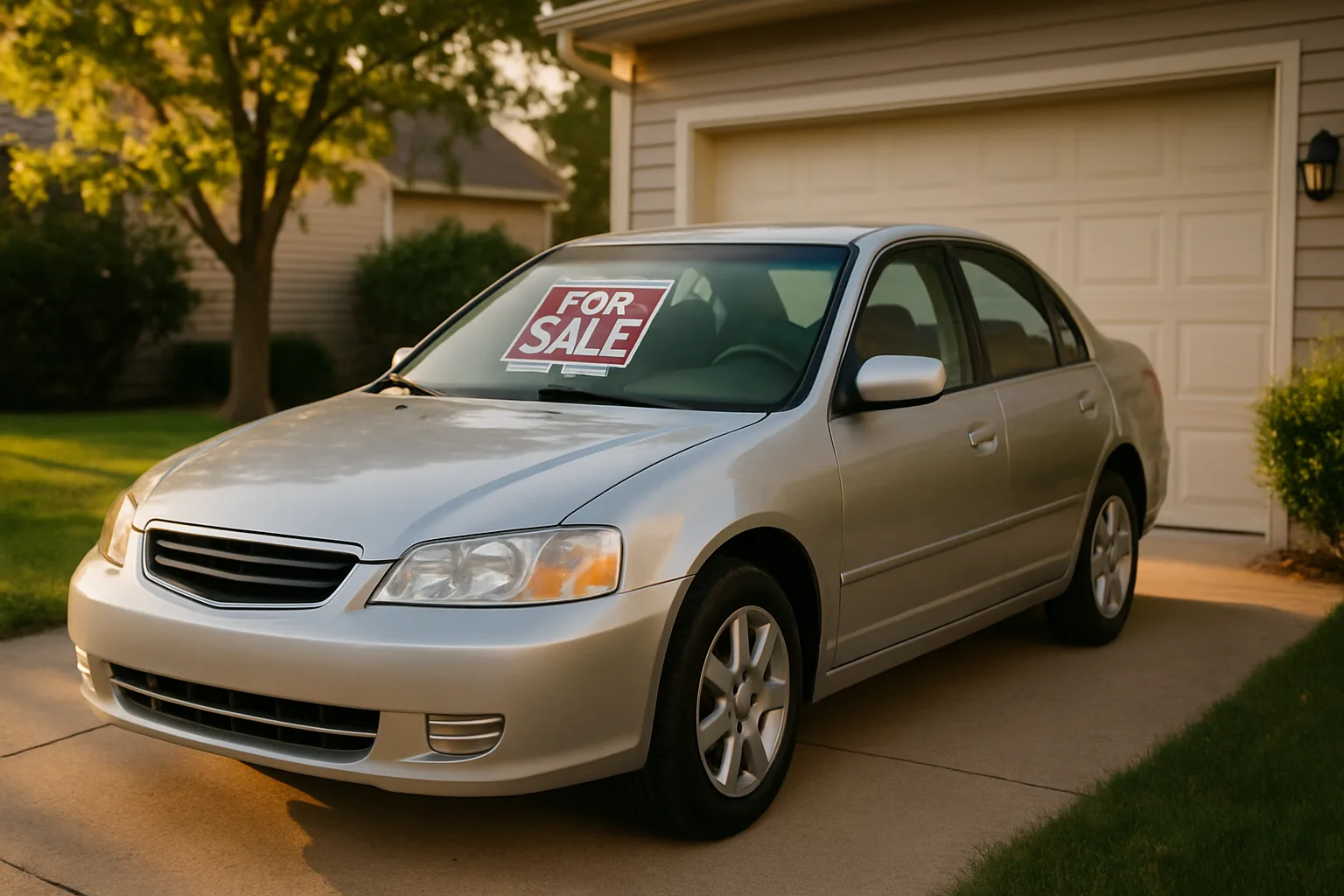
Most people hand over their keys, take their cash, and never think about it again. But if you've ever wondered what really happens to your vehicle after it leaves your driveway — the answer is more complex, and more useful, than you might expect. Understanding the process can also help you make smarter decisions before you sell, especially if you want to get more than scrap value out of a vehicle you no longer need.
Whether you're searching we buy junk cars Grand Rapids or trying to figure out if your wrecked sedan is worth more than the metal inside it, this breakdown gives you the full picture — from the moment your car gets picked up to the moment it becomes something new.
---Step One: Triage — Your Car Gets Assessed Before Anything Else
The first thing that happens when a vehicle arrives at a salvage yard or recycling facility is a thorough assessment. This isn't just a quick look-over. Buyers and dismantlers are checking for parts that have resale value well above scrap metal prices. Engines, transmissions, doors, hoods, seats, electronics — anything in usable condition gets flagged for resale before the vehicle is ever touched by a crusher.
This is exactly why condition matters when you're selling. A 2015 pickup with a blown head gasket still has a functioning transmission, four good tires, a catalytic converter, and trim pieces that someone else needs. Yards and platforms that do proper triage will pay you more because they can recover more. Facilities that skip this step pay you scrap rate because that's all they plan to get out of it.
- High-value parts flagged early: catalytic converters, alternators, starters, infotainment systems
- Body parts assessed: doors, fenders, hoods, glass — especially on popular models
- Fluids noted: oil, coolant, transmission fluid, refrigerant — all require proper handling
Step Two: Fluids and Hazardous Materials Are Removed First
Before any dismantling happens, a licensed facility drains and captures every fluid in the vehicle. This is a regulated step under U.S. environmental law, and it's non-negotiable. Engine oil, brake fluid, power steering fluid, coolant, gasoline, refrigerants — all of it gets extracted and either recycled or disposed of according to EPA guidelines. As of 2026, enforcement around improper fluid disposal has tightened in several states, including Michigan, where EGLE (the Department of Environment, Great Lakes, and Energy) has increased oversight of scrap vehicle processors.
Why does this matter to you as a seller? It means you should only work with licensed, compliant facilities. Fly-by-night buyers who skip this step aren't just cutting corners on environmental rules — they're also the ones most likely to cut corners on your payment, your paperwork, and your title transfer. Proper scrap car removal Grand Rapids means working with buyers who handle the legal and environmental side correctly from day one.
Mercury switches (found in older vehicles), lead-acid batteries, and certain plastics are also removed at this stage and routed to specialized recyclers. Your old car is carrying more hazardous material than most people realize.
Step Three: Usable Parts Get Pulled and Resold
This is where the real money is — and where a smart seller can capture more value by knowing what they have before they sell. After fluids are out, dismantlers systematically remove parts with secondary market demand. Catalytic converters are one of the most valuable items on any gasoline-powered vehicle. Depending on the vehicle, a single cat can be worth hundreds of dollars on its own. That value belongs to whoever owns the vehicle at the time of sale — which should be you.
If you're using a platform like connect with trusted auto buyers in the USA through SMASH Cars, buyers are competing for your vehicle based on its full recovery value — not just what it weighs on a scale. That competition is what drives your offer above the basic scrap rate. Buyers who plan to recover parts, resell components, or export vehicles will bid more aggressively than a yard that's only interested in shredding.
Common parts with strong secondary market value in 2026:
- Catalytic converters (platinum, palladium, rhodium content)
- Alternators and starters
- Engines and transmissions (especially on popular platforms)
- Infotainment and navigation systems
- Airbags (undeplyed, from non-accident vehicles)
- Wheels and tires (when in good condition)
- Body panels on high-demand makes and models
The Metal That's Left: How Ferrous and Non-Ferrous Scrap Gets Processed
Once usable parts are pulled, the vehicle shell — called a hulk — goes to a shredder. Industrial shredders are massive machines that reduce a vehicle to fist-sized chunks of material in minutes. The output is a mix of ferrous metal (steel, iron) and non-ferrous metal (aluminum, copper, zinc), plus fluff — plastics, foam, glass, and rubber that gets separated out.
The ferrous steel gets baled or shredded and sold to steel mills, where it gets melted down and recycled into new steel products. The average vehicle contains roughly 2,400 pounds of steel, making it one of the most steel-dense consumer products ever made. Non-ferrous metals like aluminum — especially from engine blocks, wheels, and transmission housings — get sorted separately because they carry a higher value per pound. If you want to sell scrap metal online or understand what your vehicle is actually worth at the commodity level, non-ferrous content is the number to pay attention to.
Platforms like getmyscrapcar.com are built specifically to help car owners navigate this — connecting you with buyers who understand recovery value, not just scale weight.
Title, Paperwork, and What Happens to Your Registration
Here's the part most sellers overlook until it causes a problem. When your vehicle gets scrapped or resold, the title transfer has to be handled correctly — or you can end up liable for tickets, tolls, or worse, crimes committed with a vehicle that's technically still in your name.
In Michigan, once you sell your vehicle, you must notify the Secretary of State. The buyer should provide a bill of sale, and the title transfer needs to be completed in writing. If you're dealing with cash for cars Michigan buyers, make sure the title work is done on the spot — not promised later. If you don't have a title, some buyers will still purchase the vehicle using a bonded title or other legal workarounds, but this varies by state. Searching sell my junk car no title will give you options, but always verify the buyer is handling it through proper legal channels.
Once a vehicle is processed and crushed, the scrap yard files a Certificate of Destruction with the state. At that point, your registration is officially retired, and you're no longer associated with the vehicle. That paperwork trail protects you. Don't skip it.
- Always get a signed bill of sale when you sell
- Notify your state DMV of the sale date and buyer
- Remove license plates before handoff — in most states, plates follow the owner, not the vehicle
- Cancel your insurance only after the transfer is complete
- Keep a copy of the title transfer for at least three years
How to Make Sure You Get Paid Fairly Before Any of This Happens
The whole process described above — triage, parts recovery, metal processing, title transfer — happens whether you get paid well or not. The difference between a fair payout and a lowball offer comes down to who's buying and how they're competing for your vehicle.
One buyer, one phone call, one offer. That's the old way. It's slow, it's opaque, and it almost never results in the best price. The better approach is getting multiple vetted buyers to compete for your vehicle based on what it's actually worth — parts, metals, and all. That's what get a free car valuation through SMASH Cars is built to do.
Grand Rapids sellers have access to buyers across Michigan and beyond — not just the one yard on the edge of town. Whether your vehicle is a rust-bucket 2004 Silverado or a 2019 Accord with front-end damage, the right buyer exists. You just need a platform that puts your vehicle in front of them. Browse car selling tips on our blog to get more insight before you list.
If you're in Grand Rapids and ready to move a vehicle you no longer need, don't settle for the first number someone throws at you over the phone. Know what your car becomes after it leaves your driveway — and make sure you're being paid for all of it. Connect with trusted auto buyers in the USA through SMASH Cars and get a free offer today.
---Frequently Asked Questions
Q: How long does the scrapping process take after I sell my car in Grand Rapids?
Most scrap car removal in Grand Rapids happens within 24–72 hours of accepting an offer. Once a buyer is confirmed and paperwork is in order, pickup is typically fast. Same-day removal is available through some buyers depending on location and scheduling.
Q: Do I need a title to sell my junk car in Michigan?
Michigan requires a title for most vehicle sales, but some buyers will work with a bonded title or alternative documentation in specific circumstances. Always ask the buyer directly how they handle no-title situations — and make sure whatever method they use is legal in Michigan. Never hand over a vehicle without some form of written documentation.
Q: What parts of my car are worth the most before it gets scrapped?
Catalytic converters consistently rank as the highest-value single component on most gas-powered vehicles. Engines, transmissions, and undeplyed airbags also carry strong secondary market value. Non-ferrous metals like aluminum in engine blocks and wheels are worth more per pound than the steel body panels.
Q: Will I still owe money on my car insurance after I scrap it?
Once the title transfer is complete and you've notified the Michigan Secretary of State, you can cancel your insurance without penalty. Don't cancel before the sale is finalized — you want coverage active until the vehicle is no longer in your name.
Q: Can I sell a car for scrap in Michigan if it's not registered or has expired plates?
Yes. Registration status doesn't affect your ability to sell a vehicle for scrap. What matters is proof of ownership — typically a clean title in your name. Expired plates should be removed before handoff, and you should notify the state of the sale regardless of registration status.
---Stay current on scrap metal markets and auto industry news — follow SMASH on LinkedIn for regular updates.