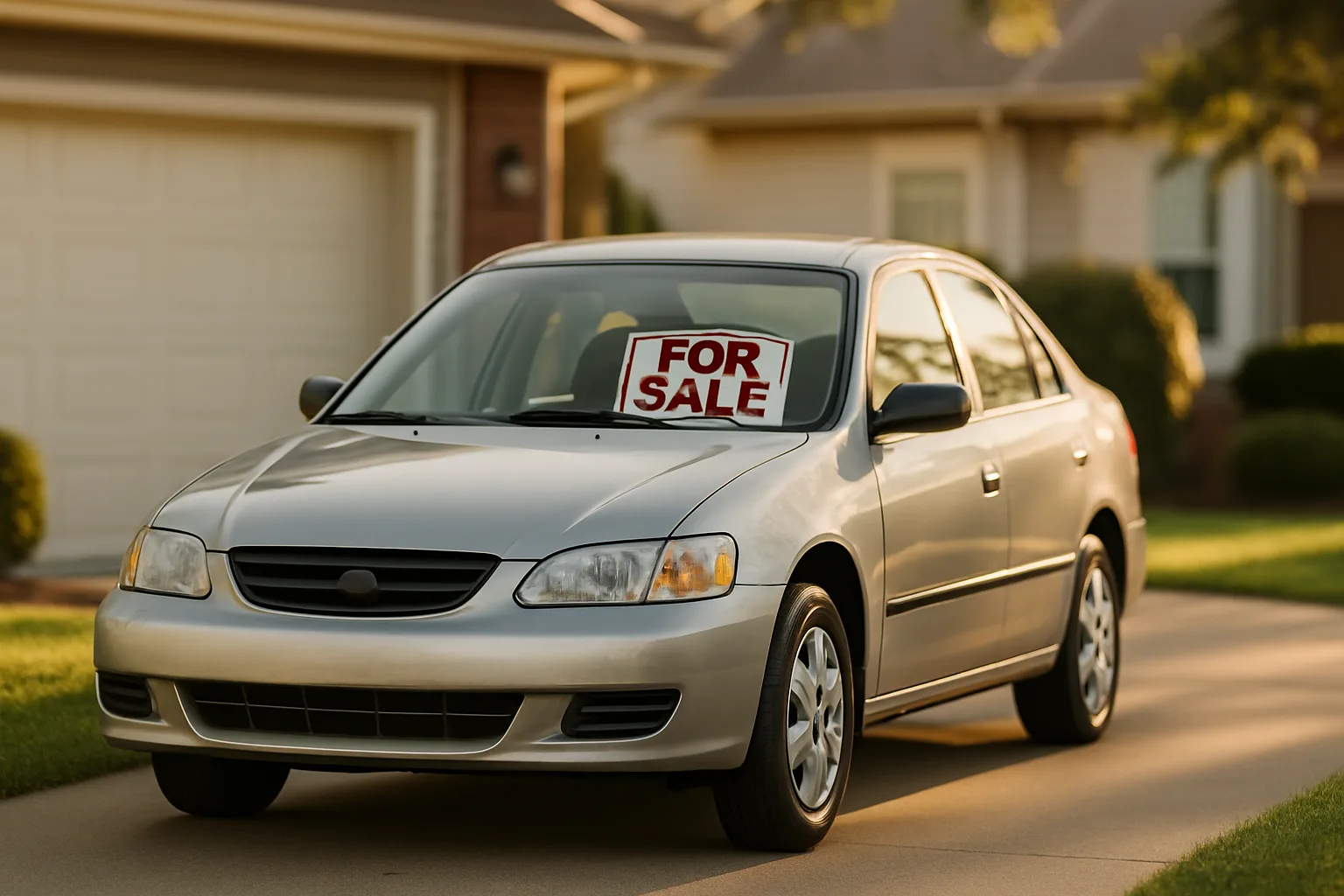
Detroit has one of the most active junk car markets in the country — and that makes it a prime hunting ground for scammers. If you're searching for cash for junk cars Detroit, you're going to run into lowballers, bait-and-switch operators, and outright fraudsters before you find a legitimate buyer. Knowing how to spot them protects your money, your title, and your time.
This guide breaks down the most common junk car removal scams, how they work, and what you should do instead to get a fair offer on your vehicle — whether it runs, doesn't run, has a title, or doesn't.
Why Detroit Is a Target for Junk Car Scams
Detroit's vehicle turnover is high. Between estate sales, accident vehicles, uninsured cars, and people upgrading after decades of ownership, there's a steady stream of sellers who just want a car gone fast. Scammers know that urgency makes people sloppy. They set up operations — sometimes just a phone number and a fake website — specifically to intercept people searching "sell my car for cash Detroit" or "junk car buyers near me no title."
Michigan also has a high volume of older vehicles on the road. That means more sellers who haven't done this before and don't know what their car is actually worth. A 2008 F-150 with a blown engine in Detroit has real scrap and parts value. A scammer will offer you $150 for it. A legitimate buyer might pay significantly more. The gap is where scammers make their money.
Understanding the local market matters. If you're dealing with Detroit scrap metal services, work with buyers who know Michigan pricing, not fly-by-night operations operating out of a call center.
The Most Common Cash for Junk Cars Detroit Scams
These aren't hypothetical. These are schemes that real sellers in Michigan — and across the U.S. — run into every week.
The Bait-and-Switch Quote
You call, get a quote of $500 over the phone. The truck shows up. The driver suddenly "notices" rust, a missing catalytic converter, or some other issue and drops the offer to $175. By that point, you've already arranged for the car to go. Some sellers just cave and take the lower number. That's the play.
Legitimate buyers lock in quotes based on honest information you provide. If your quote drops dramatically at pickup with no real explanation, walk away.
The Title Transfer Trap
Some operations ask you to sign over the title before they pay you. Once you sign, the leverage shifts entirely to them. They can delay payment, pay less than agreed, or disappear entirely. Never transfer a title before you have cash or a verified payment in hand.
Fake Towing Fees
Legitimate junk car buyers in Michigan typically offer free scrap car removal as part of the deal. Scammers quote you a price and then deduct a "towing fee" at pickup that was never mentioned. The offer was never real — it was just bait. If a buyer advertises free pickup and then invoices you for towing, you're dealing with a scammer.
The Unlicensed Buyer Problem
Michigan requires dealers and auto recyclers to be licensed. An unlicensed buyer can't legally process a title transfer, which means your name may stay attached to a vehicle even after it leaves your property. That creates liability. If that car ends up in an accident, at a crime scene, or generating unpaid tolls, it can come back to you. Always verify that the buyer is licensed to operate in Michigan before you sign anything.
Lowball Pressure on No-Title Vehicles
If you're trying to sell a car with no title — an estate vehicle, an inherited car, or one where the paperwork got lost — some buyers will use that as leverage to lowball you aggressively. "No title means no value" is not accurate. Michigan has a process for obtaining a bonded title or duplicate title. A legitimate buyer will work with you. A scammer will use your situation to pressure you into accepting almost nothing.
How to Verify a Junk Car Buyer Before You Commit
Before you agree to anything, do five minutes of homework. It can be the difference between a fair deal and getting taken.
- Check for a physical address. Legitimate buyers have a yard or a business location. If the only contact is a phone number or a generic web form, that's a red flag.
- Search the Michigan Secretary of State's records to verify licensing for dealers and auto recyclers.
- Look for reviews on Google or the BBB. Not just stars — read what people actually say about the pickup experience and payment process.
- Get the quote in writing. A text, an email, a confirmation screen — something that records the agreed price before the truck rolls out.
- Ask about payment method upfront. Cash on pickup is standard. A buyer who wants to mail a check or pay via wire transfer after they leave is a problem.
- Confirm towing is included. Free scrap car pick up is the norm with reputable buyers. If they hedge on this, get clarity before scheduling.
Platforms like SMASH connect sellers with vetted buyers who have been verified before they ever make an offer. That layer of vetting changes the dynamic entirely — you're not hoping the random Google result is legitimate. You know it is.
What Your Junk Car Is Actually Worth — Don't Settle for Less
One of the biggest reasons scams work is that sellers don't know their car's real value going in. If you don't know what you should get, you can't recognize a lowball offer. A few things that actually affect junk car value in Detroit and across Michigan:
- Weight and metal type. A full-size truck or SUV has significantly more scrap metal value than a compact. Steel prices fluctuate, but weight matters.
- Catalytic converter. If your vehicle still has its cat intact, it may contain platinum, palladium, or rhodium — all valuable. A missing catalytic converter does reduce your offer, but the presence of an intact one can meaningfully increase it.
- Reusable parts. Engines, transmissions, doors, and other components may have resale value beyond scrap. Some buyers pay more when they can part out a vehicle.
- Year, make, and model. Some vehicles have higher demand for used parts. Detroit-area buyers often have strong demand for domestic brands given the region's automotive history.
- Condition. Runs and drives is worth more than non-running. But non-running still has value — don't let anyone tell you otherwise.
Before you accept any offer, get multiple quotes. That's not complicated — it's what anyone selling anything of value should do. When you get a free car valuation through SMASH, you're seeing what competitive buyers are actually willing to pay, not what one random company decides your car is worth on a Tuesday afternoon.
Sell My Car for Cash Detroit: What a Legitimate Transaction Looks Like
Knowing what a scam looks like is useful. Knowing what a clean, legitimate transaction looks like is just as important — especially if this is your first time selling a junk or damaged vehicle.
A legitimate cash for cars Michigan transaction typically looks like this:
- You provide vehicle details — year, make, model, condition, title status.
- You receive a written quote based on that information.
- You confirm pickup scheduling and that towing is included.
- The buyer shows up, inspects the car, and confirms it matches what was described.
- Payment happens on the spot before or simultaneous with title transfer.
- You get a copy of the title transfer documentation for your records.
- The car leaves. You're done.
That's it. There's no complicated paperwork, no waiting weeks for payment, no surprise fees at the door. If a buyer deviates significantly from this process, stop and ask why. Legitimate buyers don't mind being asked hard questions.
If you're dealing with a salvage title vehicle, an inherited car, an accident vehicle, or a car with no current insurance, the process is largely the same — just make sure the buyer has experience handling those situations specifically. You can connect with trusted auto buyers in the USA through SMASH Cars who work with exactly these scenarios every day.
Protecting Yourself After the Sale
Your job isn't done when the car leaves your driveway. These final steps protect you from liability after the transaction.
- Notify the Michigan Secretary of State that you've transferred ownership. This protects you if the vehicle is used in any violation after sale.
- Cancel your insurance on the vehicle once the title is transferred and you have documentation.
- Remove your plates. In Michigan, license plates stay with the owner, not the vehicle. Take them with you or surrender them — don't leave them on the car.
- Keep a copy of the bill of sale or title transfer receipt. If any dispute arises later, you want documentation that the transaction happened and when.
- Check your credit card and bank accounts if you provided any financial information during the transaction.
For more guidance on selling damaged, inherited, or unwanted vehicles, browse car selling tips on our blog — or check out additional resources at getmyscrapcar.com for help navigating the process.
The junk car market in Detroit is active and competitive. That means there are real buyers offering real money — and real scammers trying to intercept you on the way. Going in with information levels the playing field. When you're ready to move your vehicle, do it through a verified platform. SMASH connects sellers with vetted buyers across the U.S., and there are no subscription fees — we only win when you do. Get your free offer at smash-cars.com.
Frequently Asked Questions
Q: How do I get cash for junk cars in Detroit without getting scammed?
Get multiple written quotes before committing to any buyer. Verify that the buyer is licensed in Michigan, confirm that towing is included at no extra cost, and never sign over your title before receiving payment. Using a verified platform like SMASH reduces your risk significantly because buyers are vetted before they participate.
Q: Can I sell my car for cash in Detroit if I don't have a title?
Yes, in many cases. Michigan has a process for obtaining a duplicate or bonded title, and some legitimate buyers have experience working with no-title vehicles — particularly for estate sales and inherited cars. Avoid any buyer who uses the missing title exclusively as justification for an extremely low offer without offering alternatives.
Q: What should I do if a junk car buyer lowballs me at pickup after giving a higher quote?
You have the right to decline. If the car matches the description you provided and the buyer suddenly drops the price without a legitimate documented reason, walk away. Get your written quote out, reference the agreed amount, and if they won't honor it, find another buyer. Never feel pressured to accept a last-minute lowball.
Q: Is free scrap car pick up standard in Michigan?
With legitimate buyers, yes. Free towing or pickup is a standard part of the junk car transaction in Michigan and most of the U.S. If a buyer quotes you a price and then tries to deduct a towing fee at delivery, that fee was never disclosed and you should treat it as a red flag.
Q: What happens to my license plates when I sell my junk car in Michigan?
In Michigan, license plates belong to the owner, not the vehicle. When you sell your junk car, remove the plates before the buyer takes it. You can transfer them to a new vehicle or surrender them to the Michigan Secretary of State. Never leave your plates on a car you've sold — you could be tied to violations the new owner generates.
```