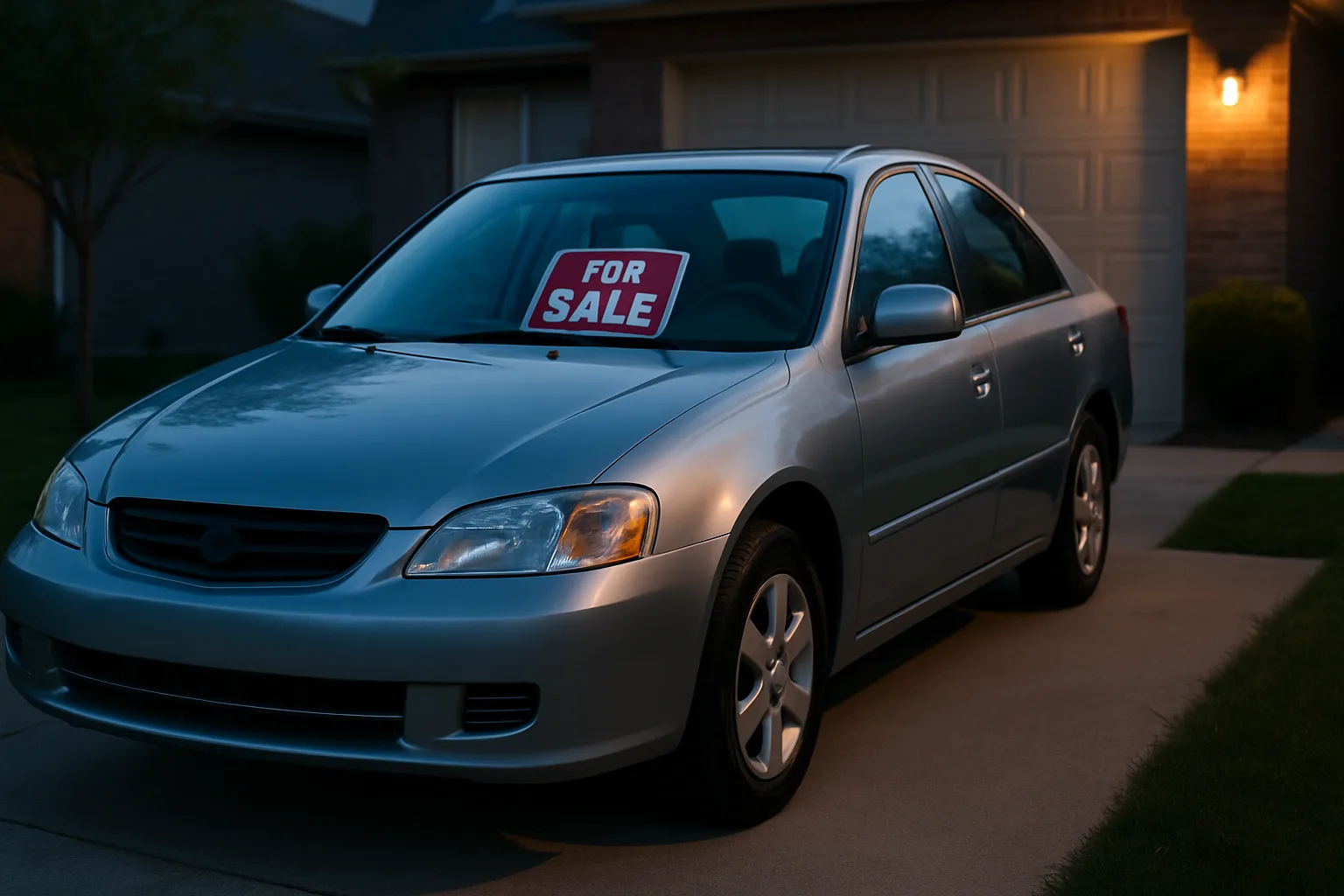
Your Car Just Failed Inspection in Denver — Here's What to Do Next
A failed inspection sticker is one of the most expensive pieces of paper you'll ever hold. In Denver, driving with a failed emissions or safety inspection means you're either paying to fix the car, paying fines, or parking it until you figure out the next move. For a lot of vehicle owners, that moment is the tipping point — the car isn't worth fixing, and leaving it in the driveway isn't a long-term plan.
The good news: a car that failed inspection still has real value. You just need to know how to extract it. Junk car removal Denver services exist specifically for this situation — vehicles that don't run, don't pass, or aren't worth repairing. The trick is knowing which route actually puts money in your pocket versus which one wastes your time.
This guide walks you through every realistic option, what to expect, and how to make sure you're not leaving money on the table.
Why a Failed Inspection Doesn't Mean a Worthless Car
Here's what most people get wrong: they assume a car that can't pass inspection is a car with no value. That's not how the market works. Buyers in the automotive and recycling world aren't looking for street-legal vehicles — they're looking at parts, weight, and metal content. A 2010 sedan that failed emissions because of a bad catalytic converter is still carrying a couple thousand pounds of steel, an engine with usable components, and potentially a drivetrain someone will pay for.
The catalytic converter issue is actually a good example. Cats contain platinum, palladium, and rhodium — precious metals that hold value independent of whether the car runs or not. A failed emissions test because of a bad cat doesn't reduce that value at all. The parts are still there. The metal is still there. What's gone is the car's usefulness to you as a daily driver, not its usefulness to everyone else.
A few factors that affect what your failed-inspection car is worth right now in 2026:
- Vehicle weight: Heavier vehicles — trucks, SUVs, full-size sedans — yield more scrap metal by the pound
- Make and model: Some vehicles have high parts demand regardless of condition (Honda, Toyota, Ford F-series)
- What failed: A failed safety check for worn brakes is different from a total frame issue or flood damage
- Drivability: A car that runs but won't pass still fetches more than one that won't start at all
- Title status: Clean title vehicles command more, but no-title sales are possible — more on that below
Understanding these factors helps you negotiate — and helps you spot when someone is lowballing you.
Your Real Options for Selling a Car That Failed Inspection in Colorado
You've got more paths forward than you think. Here's a straight breakdown of each one.
Option 1: Sell to a Junk Car Buyer or Scrap Removal Service
This is the fastest route. Junk car buyers purchase vehicles as-is — no repairs, no inspection, no registration needed. They assess the car based on current scrap car value today, factor in the parts, and make you an offer. If you accept, they pick up the car and pay you on the spot. Many services offer same-day or next-day pickup in Denver and the surrounding Colorado Front Range.
The downside is that scrap-focused buyers price based on metal weight, which means you might not get full market value if your car has desirable parts or a running engine. Still, if speed and simplicity matter more than maximizing every dollar, this is a solid choice. To explore scrap car removal services at GetMyScrapCar, you can compare options and get an estimate based on your vehicle's current condition.
Option 2: Sell Through a Competitive Buyer Platform
Here's where the equation changes. Platforms like SMASH connect sellers to multiple vetted buyers — not just one yard or one broker. That matters because a car that failed inspection in Denver isn't just scrap. It's potential parts inventory for a rebuilder, a project car for a mechanic, or a parts donor for someone running the same model.
When more than one buyer sees your vehicle — documented with photos, VIN lookup, and accurate condition notes — competition happens. That competition is what drives your offer higher than a single cold call to a local yard ever will. You can get a free car valuation and see what your car is actually worth to buyers right now, not what one buyer decides to tell you it's worth.
Option 3: Part It Out Yourself
This is the highest-effort, highest-return option. If you have mechanical knowledge, the right tools, and time, parting out a failed-inspection vehicle yourself can yield significantly more than selling it whole. Wheels, infotainment systems, seats, engines, and transmissions all have resale markets on platforms like eBay Motors or Facebook Marketplace.
The catch: this takes weeks or months, requires storage space, and means dealing with individual buyers. For most people in Denver with a car sitting in the driveway, this isn't practical. But if you have a desirable make or model, it's worth at least pricing out a few key parts before committing to a whole-vehicle sale.
Option 4: Donate the Vehicle
Car donation programs accept non-running and non-inspected vehicles. You get a tax deduction based on the vehicle's fair market value, and the charity handles the rest. This works best if the tax benefit outweighs the cash you'd get from a sale — which is sometimes the case for older, lower-value vehicles. Make sure to use a legitimate 501(c)(3) organization and get your donation receipt in writing.
What If You Don't Have a Title? Cash for Cars No Title No Registration
No title. No registration. You'd think that ends the conversation. It doesn't.
In Colorado, if you've lost your title, you can apply for a duplicate through the Colorado DMV. That process takes time, but it's straightforward. If the vehicle is registered in your name, you can replace the title and sell it properly. That step alone can meaningfully increase what buyers are willing to pay.
But some buyers — particularly scrap-focused operations — will work with cash for cars no title no registration situations, especially for older vehicles. Policies vary by buyer and by state law, so this isn't universal. If title status is a barrier for you right now, be upfront about it when you request a quote. The right buyer will tell you exactly what they can and can't do.
SMASH works with sellers across different title situations — the platform connects you with buyers who are equipped to handle complexity, not just the easy cases.
How to Get More Than Scrap Value — Even in Denver's Market
Scrap metal price is the floor, not the ceiling. Here's how to position your vehicle to attract higher offers from buyers who are looking for more than just metal weight.
- Document everything. Take photos of the interior, exterior, engine bay, and any visible damage. Buyers who can see the vehicle clearly before they bid are more confident — and more willing to pay. Platforms that support photo documentation consistently attract stronger offers.
- Know what failed and why. A car that failed because of a worn tire is very different from one with a cracked frame. The more specific you are about the inspection result, the better buyers can assess real value.
- Check for parts value before you sell whole. Even if you're not going to part it out yourself, knowing what individual components are worth gives you negotiating context.
- Get multiple offers. One offer is not a market. Two or three offers start to reveal what the vehicle is actually worth. Competitive platforms make this easier than calling five different yards individually.
- Don't wait too long. A car sitting outside in Colorado's weather — hail seasons, winter freeze cycles, intense summer heat — depreciates in condition. The longer you wait, the lower the offers get.
If you're ready to move, connect with trusted auto buyers in the USA through SMASH Cars and get a real number based on your vehicle's actual condition, not a ballpark guess.
What Junk Car Removal in Denver Actually Looks Like
First-timers often expect a complicated process. It's actually pretty simple when you use the right service. Here's a typical timeline for junk car removal Denver sellers:
- Day 1: Submit your vehicle details — year, make, model, condition, title status, location in Denver or surrounding Colorado area
- Same day or Day 2: Receive offer(s) from buyers
- Day 2-3: Accept an offer, schedule pickup
- Pickup day: Buyer arrives, verifies the vehicle matches the description, completes the title transfer, and pays you
The whole process, start to finish, can happen in 48-72 hours for most Denver sellers. If you need same-day removal for a specific reason — a rental property, an estate situation, insurance timing — many buyers accommodate that with advance notice.
For Denver scrap metal services with local buyer connections and a straightforward process, the key is starting with accurate information and a clear description of the vehicle's condition.
For more tips on navigating these situations, browse car selling tips on our blog — we cover everything from estate vehicles to accident-damaged cars to end-of-life trucks.
A failed inspection isn't the end of the road. It's just the moment where you decide what the car's worth to you versus what it's worth to the right buyer. That gap is where SMASH operates — and where sellers consistently come out ahead. Get your free offer at smash-cars.com and see what your car is actually worth today.
Frequently Asked Questions
Q: Can I sell a car for cash in Denver if it failed emissions?
Yes. Failed emissions or safety inspections don't prevent you from selling a vehicle. Junk car buyers, scrap yards, and platforms like SMASH purchase vehicles as-is, regardless of inspection status. You simply disclose the condition upfront, and buyers price accordingly.
Q: How much is a junk car worth in Denver right now?
Junk car values depend on the vehicle's weight, make, model, condition, and current scrap metal prices — which fluctuate based on commodity markets. Heavier vehicles and those with valuable parts or a running engine will fetch more. The best way to get a real number is to request quotes from multiple buyers. Disclaimer: prices change regularly — always check current rates before accepting an offer.
Q: Do I need a title to sell a junk car in Colorado?
In most cases, having a clear title will get you a better offer and more buyer options. However, some scrap buyers work with title-less vehicles, particularly older models. If your title is lost, Colorado's DMV offers a duplicate title application process. Contact your buyer first to clarify what documentation they require.
Q: How fast can I get my junk car picked up in Denver?
Many Denver-area junk car buyers offer same-day or next-day pickup once an offer is accepted. The timeline depends on the buyer's schedule and your availability. Having your vehicle details and title ready speeds up the process significantly.
Q: Can I sell a car in Colorado with no registration?
Yes, though policies vary by buyer. Scrap-focused buyers generally care more about the title than the registration. If you're selling through a private buyer or dealer, an expired or missing registration can complicate things. Disclosing this upfront and working with buyers who handle no-registration situations — like those connected through SMASH — is the cleanest path forward.
Stay ahead of scrap metal market shifts and vehicle selling tips by following SMASH on LinkedIn at linkedin.com/company/scrap-metal-auction-sales-hub.