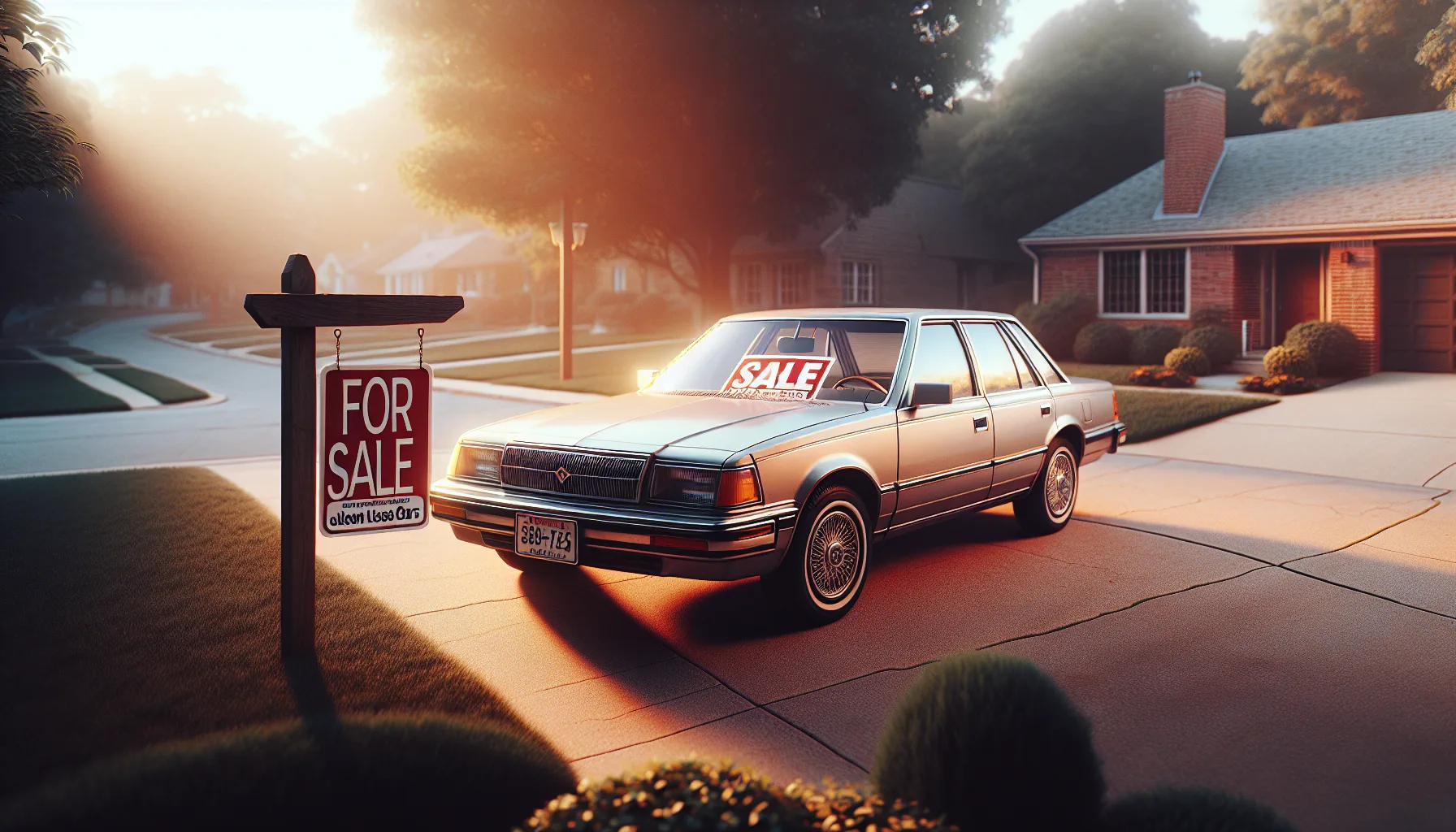
When you inherit a vehicle through an estate, you face an immediate decision: keep it, sell it, or let it collect dust in the driveway. Nearly 40% of inherited vehicles sit unused for over six months while owners struggle with paperwork, storage costs, and uncertainty about the car's actual value. If you're dealing with an estate vehicle in St. Louis that you don't want to keep, you have more options than you might realize — and potentially more money waiting than you think.
Estate vehicles often carry emotional weight, but they also represent real financial value that shouldn't be ignored. Whether the car runs perfectly or hasn't started in years, there's likely a buyer willing to pay cash for junk cars St. Louis residents regularly overlook. The key is understanding your options and acting strategically.
Understanding Your Estate Vehicle's True Market Value
Estate vehicles fall into several categories, each with different value propositions. Running vehicles with current registration obviously hold the highest value, but even non-functional cars contain valuable components that buyers actively seek.
A 2020 sedan with 80,000 miles might fetch $8,000-15,000 depending on condition and demand. But even a 2005 truck that won't start could be worth $1,500-4,000 for its engine, transmission, catalytic converter, and scrap metal content. The difference between getting $300 from a scrapyard versus $2,800 from a specialized buyer often comes down to knowing where to look.
Location plays a crucial role in pricing. Missouri's central location creates strong demand for both functional vehicles and automotive parts. St. Louis specifically benefits from proximity to major transportation corridors, making vehicle pickup and resale more efficient for buyers.
Don't assume an older vehicle lacks value. Cars from the 1990s and early 2000s often contain valuable catalytic converters worth $200-800 alone. Classic or vintage vehicles might have collector value that far exceeds their scrap worth. Even severely damaged cars provide steel, aluminum, copper wiring, and other materials that maintain commodity value.
Essential Paperwork and Legal Requirements for Estate Vehicle Sales
Estate vehicle sales involve specific documentation that differs from standard car sales. The process varies by state, but Missouri requires clear title transfer through probate or estate administration.
If the estate has gone through probate, you'll need the court-approved title transfer documents. For smaller estates that qualify for Missouri's simplified transfer process, an affidavit of heirship might suffice. Some buyers specialize in cash for junk cars no title situations, but having proper documentation typically increases your payout significantly.
The vehicle identification number (VIN) becomes crucial when titles are missing or unclear. This 17-character code provides the complete vehicle history, including any liens, accidents, or title issues that could affect sale price. Buyers use VIN information to verify ownership and assess true market value.
Insurance considerations also matter. If you're temporarily keeping an estate vehicle, notify your insurance company immediately. Uninsured vehicles create liability risks, and some buyers prefer insured vehicles for legal protection during pickup and transport.
Registration doesn't necessarily need to be current for all buyers. Many companies that sell my car for cash St. Louis services cater to handle expired registration as part of their process, though current tags typically increase offers by $100-300.
Maximizing Your Payout: Beyond Basic Scrap Value
The biggest mistake estate vehicle owners make is accepting the first offer they receive. Scrap yards typically offer the lowest prices because they focus solely on metal weight rather than component value or vehicle utility.
Catalytic converters alone can dramatically impact your payout. Modern vehicles contain platinum, palladium, and rhodium in their catalytic converters — metals that have seen significant price increases in 2026. If you sell catalytic converters online through specialized platforms, you might recover $400-1,200 from this single component.
Other high-value components include:
- ECU (engine control units): $200-600 depending on vehicle make
- Airbags: $150-400 each if functional
- GPS navigation systems: $100-300 for newer models
- Xenon headlights: $200-500 per pair
- Alloy wheels: $50-200 each depending on size and condition
Timing your sale strategically can also increase profits. Auto parts demand typically peaks in spring and early summer when people tackle repair projects. Scrap metal prices fluctuate based on global commodity markets, with recent trends showing higher prices during manufacturing upticks.
Services like SMASH Cars specialize in maximizing value by connecting estate vehicle owners with buyers who see potential beyond basic scrap value. Rather than selling to the first scrapyard you find, platforms like SMASH evaluate your vehicle's complete value proposition and match you with appropriate buyers.
Quick Sale Options for Fast Cash Turnaround
Estate situations often require quick resolution. Whether you're settling debts, dividing assets among heirs, or simply need the vehicle gone, fast-cash buyers provide immediate solutions.
Same-day pickup services have become standard in major markets like St. Louis. Most professional buyers can provide quotes within 2-4 hours of receiving basic vehicle information. If you accept their offer, pickup typically happens within 24-48 hours.
The fastest sales involve vehicles with clear titles and current registration. These transactions can literally close in hours. Even complex situations rarely take more than a week when working with experienced estate vehicle buyers.
Cash payment remains the norm for estate vehicle sales under $10,000. Larger transactions might involve certified checks or electronic transfers, but most buyers come prepared to pay immediately upon pickup.
Emergency situations — like needing immediate cash for estate expenses — sometimes warrant accepting slightly lower offers for guaranteed same-day service. The $200-500 difference between a quick sale and optimal pricing might be worthwhile when time is critical.
You can get a free car valuation online in minutes, providing a baseline for negotiations and helping you understand whether quick-sale offers are reasonable.
Alternative Options: Donation and Specialized Programs
Not every estate vehicle situation calls for maximum cash extraction. Sometimes donation makes more financial sense, especially for lower-value vehicles in states with strong tax incentives.
Missouri allows tax deductions for vehicle donations to qualified charities. If your estate vehicle is worth less than $2,000 and you're in a high tax bracket, the deduction might provide more net benefit than selling. This strategy works particularly well for vehicles with expensive repair needs that would eat into sale profits.
Some charities specialize in estate vehicle donations and handle all paperwork, pickup, and title transfers. This eliminates administrative burden while still providing tax benefits. Popular programs include Goodwill Vehicle Donations, Habitat for Humanity Cars for Homes, and various religious organization vehicle programs.
Trade-in programs represent another option if you're purchasing a replacement vehicle. While trade-in values typically fall below private sale prices, they eliminate separate sale transactions and might provide tax advantages depending on your state's trade-in tax treatment.
Educational institutions sometimes accept vehicle donations for automotive training programs. These donations often qualify for tax deductions while supporting career education. Local community colleges and trade schools in Missouri frequently run such programs.
For vehicles with historical significance or unique characteristics, consider contacting automotive museums or collector groups before pursuing standard sales channels. A 1970s muscle car might have minimal running value but significant collector interest.
Working with Professional Buyers and Avoiding Common Pitfalls
Professional vehicle buyers understand estate situations and typically offer streamlined processes designed for quick resolution. However, not all buyers operate with the same standards or pricing models.
Legitimate buyers provide written quotes, clear pickup schedules, and transparent pricing explanations. They should be able to explain how they calculated your offer and what happens to your vehicle after purchase. Avoid buyers who pressure you to accept immediate offers or seem reluctant to provide details about their process.
Pricing transparency becomes especially important for cash for cars Missouri transactions involving estate vehicles. You should understand whether the offer covers the entire vehicle or just certain components, and what additional fees might apply for pickup, title transfer, or other services.
Geographic considerations affect both pricing and service quality. St. Louis area buyers often provide better service and competitive pricing due to market density and transportation efficiency. Rural areas might see lower offers due to increased pickup costs and limited buyer competition.
When you connect with trusted auto buyers in the USA through SMASH Cars, you gain access to a network of vetted professionals who specialize in estate vehicle situations. This eliminates much of the uncertainty and risk associated with finding buyers independently.
Documentation requirements vary significantly between buyers. Some handle all paperwork internally, while others require specific forms completed in advance. Clarify these requirements upfront to avoid delays or complications during pickup.
Payment methods also differ. Cash payments work well for smaller transactions, but larger sales might require certified checks or electronic transfers. Discuss payment preferences when negotiating your sale to ensure smooth completion.
Finally, don't forget to browse car selling tips on our blog for additional strategies and insights specific to estate vehicle sales. Market conditions change regularly, and staying informed helps maximize your return.
Frequently Asked Questions
Q: Can I sell an estate vehicle without the title in St. Louis?
Yes, some buyers specialize in cash for junk cars no title situations, though you'll typically receive lower offers. Missouri allows alternative documentation through probate courts or affidavits of heirship. Having proper title documentation can increase your offer by $300-800 depending on the vehicle's value.
Q: How quickly can I get cash for an inherited car in Missouri?
Most professional buyers can provide quotes within 4 hours and complete pickup within 24-48 hours for vehicles with clear documentation. Same-day service is available in St. Louis for urgent estate situations, though you might accept slightly lower offers for guaranteed quick turnaround.
Q: Should I repair an estate vehicle before selling it for cash?
Generally no. Repair costs usually exceed the additional sale value, especially for older vehicles. Buyers who offer cash for junk cars typically purchase vehicles as-is and have their own repair capabilities. Focus on cleaning out personal items and gathering documentation instead of investing in repairs.
Q: What's the difference between selling to a scrapyard versus specialized estate vehicle buyers?
Scrapyards typically pay based solely on metal weight, while specialized buyers evaluate entire vehicle value including usable parts, fluids, and components. This difference often means $800-2,500 more for your estate vehicle, especially if it contains valuable catalytic converters or other high-demand parts.
Q: Do I need insurance on an estate vehicle I'm planning to sell?
While not legally required for immediate sale, maintaining basic liability coverage protects you from potential accidents during buyer inspections or pickup. Many buyers prefer insured vehicles and might offer slightly higher prices. You can also explore scrap car removal services at GetMyScrapCar for uninsured vehicle options.
Estate vehicle decisions don't have to be overwhelming. Whether your inherited car runs perfectly or hasn't moved in years, there's likely more value available than you initially thought. The key is understanding your options, gathering proper documentation, and connecting with buyers who specialize in these situations rather than settling for basic scrap value. Get connected with trusted auto buyers in the USA through SMASH — get your free offer at smash-cars.com.
Stay updated on automotive market trends and estate vehicle strategies by following SMASH on LinkedIn for industry insights and scrap metal market updates: https://www.linkedin.com/company/scrap-metal-auction-sales-hub