Selling a Car With No Insurance: More Options Than You Think
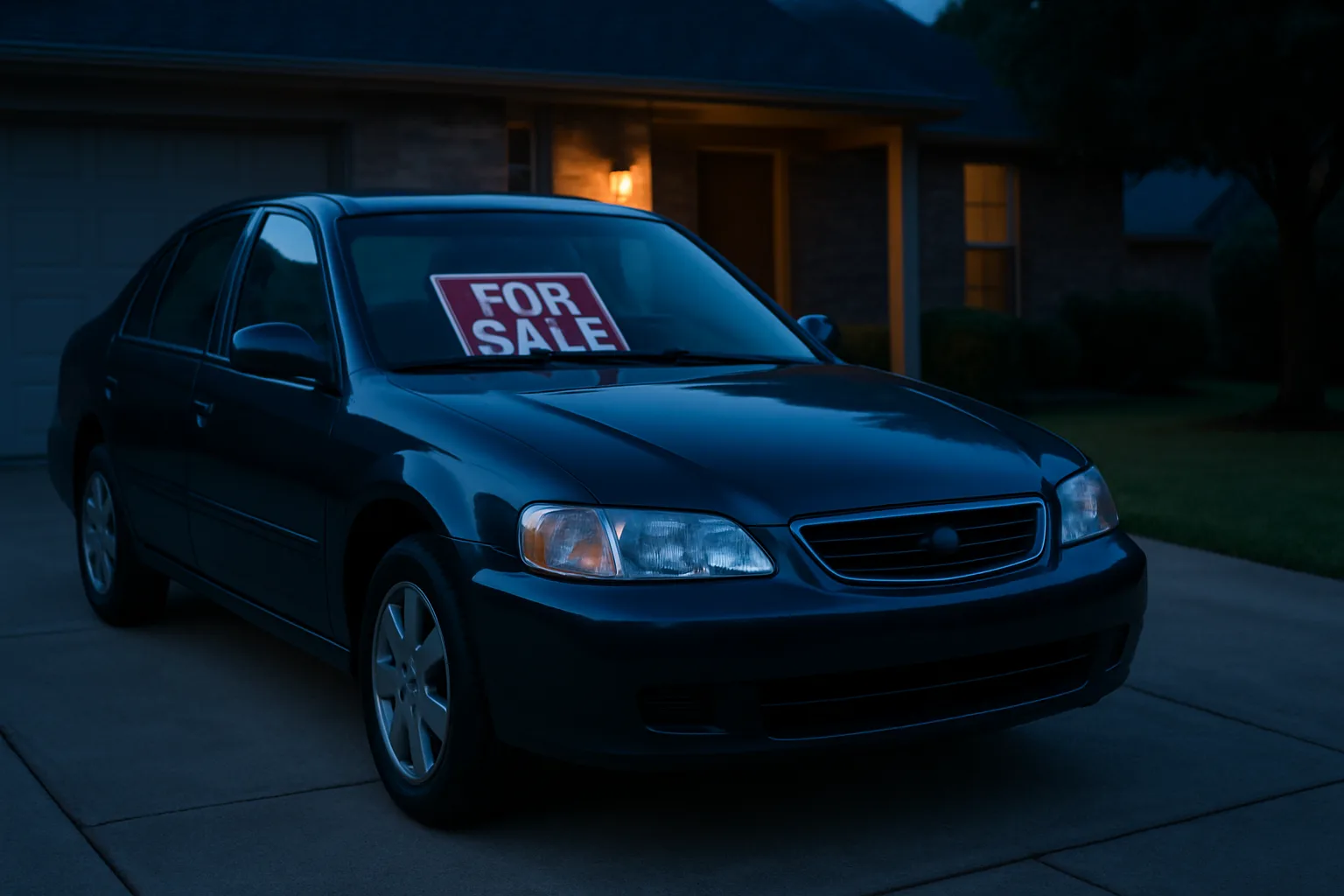
Your car is sitting in the driveway, uninsured, and you're done with it. Maybe the premium got too high. Maybe it broke down and wasn't worth fixing. Maybe it came to you through an estate and you never insured it in the first place. Whatever the reason — you need to know: can you sell a car with no insurance? Yes. And you have more options than most people realize.
This comes up constantly in places like Newark, where older vehicles get handed down, damaged in accidents, or simply outlive their usefulness. If you're sitting on an uninsured car and wondering what it's worth, this guide breaks down every real option available to you — including which ones actually put money in your pocket.
If you're already thinking about we buy junk cars Newark buyers, keep reading — we'll get to that. But first, let's clear up the confusion around insurance and selling.
Does Your Car Need to Be Insured to Sell It?
No. You do not need an active insurance policy to sell your car in New Jersey or anywhere else in the U.S. Insurance is required to drive the vehicle on public roads — not to transfer ownership. That's a distinction a lot of sellers miss, and it costs them time while they figure it out.
What you do need to sell legally in New Jersey:
- The vehicle title (clear or salvage)
- Valid government-issued ID
- A bill of sale (recommended)
- An odometer disclosure if the car is under 10 model years old
If the title is missing or tied up in an estate, that adds a step — but it doesn't make the sale impossible. Many buyers who specialize in end-of-life vehicles deal with title situations regularly. The key is finding a buyer who knows how to handle it, not assuming it can't be done.
One thing worth knowing: once you've sold the car, notify your local DMV and cancel the registration. In New Jersey, surrendering plates officially ends your liability on that vehicle. Don't let insurance lapse while plates are still active — that's how you get fines you don't deserve.
Your 5 Real Options for Selling an Uninsured Car
Not every option fits every situation. Here's an honest breakdown of what's available — and what to expect from each.
1. Sell to a Junk Car Buyer (Fastest Cash)
This is the most straightforward path for an uninsured, non-running, or damaged vehicle. Junk car buyers purchase vehicles as-is, handle the tow, and pay you cash — usually same day or next day. They don't care about your insurance status. They're buying the metal, the parts, or both.
In Newark and across New Jersey, scrap car removal Newark services are competitive. That competition works in your favor — but only if you get more than one offer. A single phone call to one buyer is the old way of doing this. You get one number, take it or leave it, with no idea if it's fair.
Platforms like SMASH Cars change that equation. Instead of one buyer guessing your price, multiple vetted buyers compete for your vehicle. That's how you find out what your car is actually worth — not what one yard is willing to give you on a Tuesday morning.
2. Sell to a Private Buyer (More Work, Possibly More Money)
If your uninsured car still runs and has some life left in it, a private sale might net you more than scrap value. List it on Craigslist, Facebook Marketplace, or AutoTrader. Be upfront about the condition and the lack of current insurance — buyers expect that from older vehicles.
The trade-off is time and effort. You'll handle inquiries, test drives (which creates its own insurance liability questions), and negotiating. For a car that runs, it can be worth it. For something that doesn't move or has serious damage, it's usually not.
3. Sell to a Dealership or Used Car Lot (Convenience, Lower Offer)
Some dealerships and used car lots will buy vehicles outright, even uninsured ones, as part of a trade-in or direct purchase. The convenience is real. The offer usually isn't as strong as what a competitive buyer environment produces.
Dealers buy low so they can sell higher. That's their business model. If you're okay with a lower offer for a faster transaction, this works. If you want to know the real market value of your car, you need more than one entity making that call.
4. Donate the Car (Tax Benefit, No Cash)
Car donation programs accept vehicles in almost any condition, including uninsured ones. You get a tax receipt based on the fair market value, which may be worth something at tax time — especially for higher-value vehicles. You get no cash on the spot.
For cars with minimal resale or scrap value, donation can still make sense. For vehicles worth a few hundred dollars or more in parts or metal, selling typically beats donating on a straight financial comparison. Run the numbers before you decide.
5. Sell for Parts (Most Time, Potentially High Return)
Parting out a vehicle yourself — selling the engine, transmission, catalytic converter, wheels, and body parts separately — can generate significantly more than selling the whole car. Catalytic converters alone can fetch meaningful money depending on the vehicle make and the metals inside.
This option requires time, storage space, tools, and the ability to handle multiple transactions. It's not for everyone. But if you have a vehicle with a valuable drivetrain or desirable parts, it's worth knowing this path exists before you take the first lump-sum scrap offer.
What Affects Your Uninsured Car's Value?
Whether you're going the scrap route or trying to squeeze more value out of a private sale, the same factors determine your number. Understanding them helps you set realistic expectations and avoid leaving money on the table.
- Vehicle weight and metal content: Heavier vehicles yield more scrap. A full-size pickup or SUV is worth more per unit than a subcompact sedan.
- Running condition: A car that starts and moves commands a higher offer than one that needs a flatbed. Even marginal running condition matters.
- Make and model: Certain vehicles hold parts value well. Japanese makes are often in demand for used parts. Trucks tend to hold value in both scrap and resale markets.
- Catalytic converter status: If the cat is intact and the vehicle is a model year with a desirable catalyst loading, that alone can shift your offer significantly. If it's been stolen — which happens — buyers will factor that in.
- Title status: A clean title gets you more than a salvage title. A missing title requires extra steps but doesn't kill the sale.
- Current scrap metal prices: Steel, aluminum, and platinum group metals fluctuate. Your car's value moves with the market. Check current rates before committing to any offer.
For real-time insight into what similar vehicles are moving for, get a free car valuation before you accept anything. One number from one buyer isn't a market — it's a starting point.
Selling in Newark: What to Know About the Local Market
Newark is a dense urban market with serious vehicle turnover. End-of-life cars, salvage title vehicles, and accident write-offs move through here constantly. That's good news for sellers — there's genuine buyer demand, and competition among cash for cars New Jersey buyers keeps offers from bottoming out the way they might in a smaller market.
The downside of a busy market: it's also easier to get a lowball offer if you're not comparing. Some buyers count on sellers being in a hurry or not knowing the difference between a fair offer and a floor offer. Don't be that seller.
If you're looking for scrap car removal near me in the Newark area, services are plentiful. The question is whether you're getting one offer or giving the market a real chance to compete. You can also explore Newark scrap metal services to understand what's available locally before you commit to any single buyer.
For a broader look at how to navigate the selling process, browse car selling tips on our blog — there's practical guidance there on everything from title transfers to getting the most out of a scrap sale.
The Fastest Way to Sell a Car With No Insurance in New Jersey
If speed matters — and for an uninsured car you're not driving, it usually does — here's the shortest path to cash:
- Locate your title and ID before you do anything else.
- Note your vehicle's year, make, model, mileage, and condition honestly.
- Get multiple offers. Don't accept the first number you hear.
- Confirm the buyer handles towing — most reputable cash for junk cars near me services do.
- Get the offer in writing before you sign anything.
- Complete the title transfer and surrender your plates to the NJ DMV.
The entire process — from first offer to cash in hand — can happen in 24 to 48 hours when you're working with a buyer who knows what they're doing. Platforms like getmyscrapcar.com are built specifically to connect sellers with buyers who move fast and pay fairly.
You don't need insurance to make this happen. You don't need the car to run. You just need to stop leaving it in the driveway and start the process.
When you're ready to find out what your car is actually worth, connect with trusted auto buyers in the USA through SMASH Cars — no subscription, no runaround, just real buyers competing for your vehicle.
Frequently Asked Questions
Q: Can I legally sell a car with no insurance in New Jersey?
Yes. Insurance is required to operate a vehicle on public roads, not to sell it. As long as you have the title and valid ID, you can transfer ownership of an uninsured vehicle in New Jersey without issue. Just remember to surrender your plates and notify the DMV once the sale is complete.
Q: How do we buy junk cars Newark buyers determine what to pay?
Most buyers base their offer on vehicle weight, make and model, running condition, title status, and current scrap metal prices. Buyers who also resell parts will factor in component value — especially for catalytic converters and drivetrains. Getting multiple offers is the only way to know if you're hearing a market rate or a lowball.
Q: Do I need to tow the car myself to sell it?
No. Reputable junk car and scrap car removal buyers include free towing as part of the transaction. If a buyer is asking you to arrange your own transport, that's unusual — most legitimate cash for cars services in Newark and across New Jersey handle pickup as standard.
Q: What if I don't have the title for the car I want to sell?
A missing title complicates things but doesn't make the sale impossible. In New Jersey, you can apply for a duplicate title through the NJ MVC. Some buyers who specialize in end-of-life vehicles have processes for handling bonded titles or estate situations — ask upfront before assuming you're stuck.
Q: Will I get more money selling to a private buyer versus a junk car service?
Possibly, if the vehicle still runs and has appeal to a private buyer. For non-running, heavily damaged, or high-mileage vehicles, a junk car or scrap buyer is usually the faster and more practical choice. The key in either case is not accepting the first offer — let buyers compete and you'll find the real market value.
If your uninsured car has been taking up space long enough, now is the right time to move on it. Scrap metal prices shift, parts markets fluctuate, and a vehicle sitting outside depreciates faster than one that moves. Get your free offer at smash-cars.com and find out what real competition looks like.
Follow SMASH on LinkedIn for scrap metal market updates, industry news, and practical tips for getting more out of your next vehicle sale.