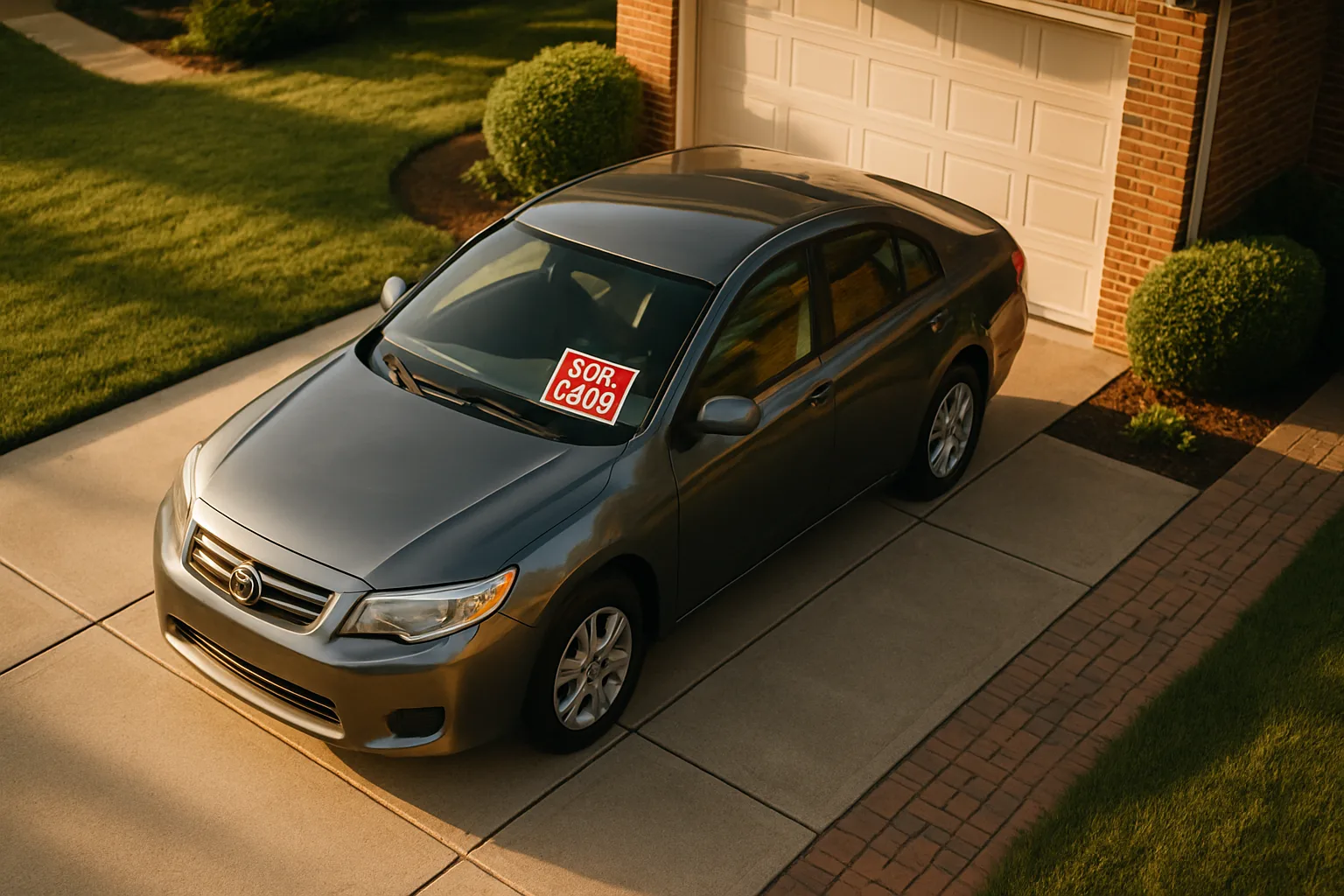
Most people assume a dead car is worth nothing. That assumption costs them money every single time. Whether your vehicle won't turn over, blew a head gasket, or has been sitting in a Richmond driveway collecting rust since last winter — it still has real value. The question isn't if you can sell it. The question is how you sell it, and to whom.
This is where most car owners leave money on the table. They call the first junkyard they find, accept a lowball offer, and hand over the keys. Done. But a non-running car isn't just a pile of steel. It has a catalytic converter, copper wiring, aluminum components, a transmission, and parts that buyers actually want. Knowing that changes your negotiating position entirely.
If you're dealing with junk car removal in Richmond and want to walk away with more than scrap value, this guide is for you.
---Why Non-Running Cars Are Worth More Than You Think
A car that doesn't start is still a car. It has mass — most passenger vehicles weigh between 3,000 and 4,500 pounds — and scrap metal buyers pay by the pound. But weight alone isn't the whole story. The real value hides in the components.
The catalytic converter is the single most valuable item on most junk vehicles. Depending on the make and model, a cat can be worth anywhere from a modest amount to several hundred dollars on its own. Late-model trucks and SUVs common in Virginia tend to carry larger, more valuable converters. Beyond the cat, you've got the alternator, starter motor, battery, tires, rims, and electronic modules — all of which have a secondary market.
Here's what most scrap yards won't tell you: they price your car low because they plan to profit from those components themselves. When you sell through a competitive platform, buyers bid knowing the full picture. That competition changes the outcome. Get a free car valuation before you accept any offer — you may be surprised what your non-runner is actually worth.
---The Real Process: How Junk Car Removal in Richmond Actually Works
Let's walk through what happens when you sell a non-running car the right way. This isn't complicated, but skipping steps costs money.
Step 1: Gather your paperwork. You need the title. In Virginia, a clean title is required to legally transfer a vehicle. If you've lost it, the Virginia DMV can issue a replacement — typically within a few weeks. Don't let a missing title stop you from starting the process; just get it ordered now while you explore offers.
Step 2: Document what you have. Take photos of the entire vehicle — all four sides, the engine bay, the interior, and the catalytic converter location underneath. Note the VIN. Buyers use this information to price accurately, and accurate documentation leads to better offers. Vague listings attract lowball bids.
Step 3: Know what's on the car. Does it still have the cat? Are the rims stock or aftermarket? Is the transmission intact? These details matter. A buyer bidding on a stripped shell bids differently than one bidding on a complete vehicle.
Step 4: Get multiple offers. This is the step most people skip — and it's the most important one. One phone call to one buyer gives you one price. That's not a market. That's a guess. Platforms like SMASH create real competition among vetted buyers, which is how price discovery actually works.
Step 5: Arrange pickup. Most buyers offering serious money also offer free towing. For a non-running vehicle in Richmond, this is non-negotiable — you're not paying to haul a car you're selling. Confirm pickup logistics before you sign anything.
---What Your Non-Running Car's Components Are Actually Worth
Understanding the value breakdown helps you evaluate any offer you receive. Don't accept a number without knowing what's inside it.
- Catalytic converter: One of the highest-value individual components on most vehicles. Value varies significantly by make, model, and year. If a buyer doesn't ask about your cat specifically, that's a red flag — they may be pricing as if it's already gone.
- Scrap steel: The body, frame, and chassis contribute significant weight. Current scrap metal pricing fluctuates with market conditions, so the scrap car value today may differ from what it was six months ago.
- Aluminum: Wheels, engine blocks, and transmission housings are often aluminum, which commands a higher price per pound than steel.
- Copper: Wiring harnesses, alternators, and starters all contain copper — another non-ferrous metal with meaningful value.
- Usable parts: Doors, hoods, fenders, seats, and electronics all have secondary market demand, especially for popular vehicle models with a large owner base.
- Battery: Even a dead car battery has recycling value. Lead-acid batteries are bought and sold separately.
The total picture is almost always higher than the scrap-metal-only quote. That's why selling through a buyer who evaluates the whole vehicle — not just the tonnage — matters. If you want to browse car selling tips on our blog, you'll find more breakdowns on specific vehicle types and what to expect.
---Common Mistakes Richmond Sellers Make (And How to Avoid Them)
Selling a non-running car is simple. But a few avoidable mistakes consistently reduce what sellers walk away with.
Accepting the first offer. The first offer is almost never the best one. Buyers who come to you first are counting on you not shopping around. In a city like Richmond, there are enough buyers and platforms active that you should never feel pressured to decide immediately.
Selling without the catalytic converter intact. Some sellers remove the cat themselves thinking they'll sell it separately. Unless you know exactly what you're doing and have a buyer lined up, this often reduces the overall offer on the car without fully recovering the cat's value. Keep the vehicle complete unless a buyer specifically values each component separately.
Ignoring the title requirement. Virginia requires a title to transfer ownership. If you're dealing with an estate vehicle or inherited car, get this sorted early. The process takes time but it's not complicated. Don't let it become a last-minute problem.
Paying for towing. Any buyer offering a legitimate price for a junk vehicle covers the tow. Full stop. If someone quotes you a number and then asks you to arrange transport, negotiate that cost out of the equation or find a different buyer.
Not checking current scrap car value today. Metal prices move. What your neighbor got six months ago may not reflect what your car is worth right now. Always check current market conditions before you evaluate any offer as fair or unfair.
---How SMASH Helps Sellers Get More for Non-Running Vehicles
Here's the core problem with the traditional approach: you make one call, get one price, and have no idea if it's fair. There's no competition. There's no transparency. There's no way to know if you left $300 or $800 on the table.
SMASH changes that dynamic. Instead of one buyer with no incentive to pay more, you get multiple vetted buyers competing for your vehicle. The auction format creates real price discovery — the market tells you what your car is worth, not just one yard operator who has every reason to bid low.
For a non-running vehicle in Richmond, Virginia, that competition matters. A complete car with its cat intact, documented with photos and VIN, attracts more confident bids than a vague listing with no details. SMASH's platform supports that documentation — photos, VIN lookup, component tracking — so buyers have what they need to bid accurately and competitively.
There are no subscription fees. SMASH only wins when you win. Connect with trusted auto buyers in the USA through SMASH Cars and find out what your non-runner is actually worth before you accept anything.
If your vehicle is truly at end-of-life and you want straightforward removal without the auction process, free junk car removal from GetMyScrapCar is another option worth knowing about.
Also worth noting: Richmond scrap metal services at our local Richmond page can give you region-specific context on how the process works in your area.
---What to Expect on Pickup Day
Once you've accepted an offer, the process is straightforward. The buyer — or their contracted tow operator — contacts you to schedule pickup. For Richmond sellers, this typically happens within one to three business days, though same-day options exist with some buyers.
Have the title signed and ready. The driver will inspect the vehicle briefly to confirm it matches the description — this is why accurate documentation upfront matters. If you said the cat is intact, it needs to be intact. Misrepresentation creates problems and can reduce the final payout.
Payment happens at pickup or via electronic transfer, depending on the buyer. Confirm payment method before the truck arrives. Cash, check, and e-transfer are all common. Once the vehicle is loaded and paperwork is exchanged, you're done. The buyer handles the rest — transport, processing, and recycling.
The whole process, from first valuation to cleared driveway, typically takes less than a week when handled through a platform with active buyers. That's a long way from waiting weeks for a single yard to call you back.
Ready to find out what your non-running vehicle is worth? Get connected with trusted auto buyers in the USA through SMASH — get your free offer at smash-cars.com and stop guessing what your car is worth.
---Frequently Asked Questions
Q: Can I sell a car that doesn't run for junk car removal in Richmond without a title?
Virginia law requires a title to legally transfer vehicle ownership. If yours is lost, contact the Virginia DMV to request a replacement before you finalize any sale. Starting this process early prevents delays when a buyer is ready to pick up.
Q: How do I know if I'm getting a fair scrap car value today for my non-running vehicle?
Get at least two or three offers before accepting anything. Scrap metal prices fluctuate based on market conditions, so a fair offer today may differ from what was fair six months ago. Platforms that create buyer competition — like SMASH — give you a clearer picture of actual market value.
Q: Does junk car removal near me include free towing for non-running cars?
Most legitimate buyers offering fair market value include free towing for non-running vehicles. If a buyer quotes you a number and then asks you to arrange or pay for transport separately, factor that cost into your evaluation — or find a buyer who covers it.
Q: What happens to my catalytic converter when I sell a junk car?
The catalytic converter is typically one of the most valuable components on the vehicle. Buyers factor its presence into their offer. Keeping the vehicle complete — with the cat intact — generally results in a better overall offer than removing it and trying to sell separately, unless you have a direct buyer lined up for the converter itself.
Q: How long does the junk car removal process take in Richmond, Virginia?
From first inquiry to cleared driveway, most sellers complete the process in three to seven days. Same-day or next-day pickup is possible through some buyers when you have documentation ready and the title in hand. Having photos and VIN information prepared upfront speeds up the offer process significantly.
---Follow SMASH on LinkedIn for industry updates, scrap metal market insights, and tips on getting more for your unwanted vehicles.