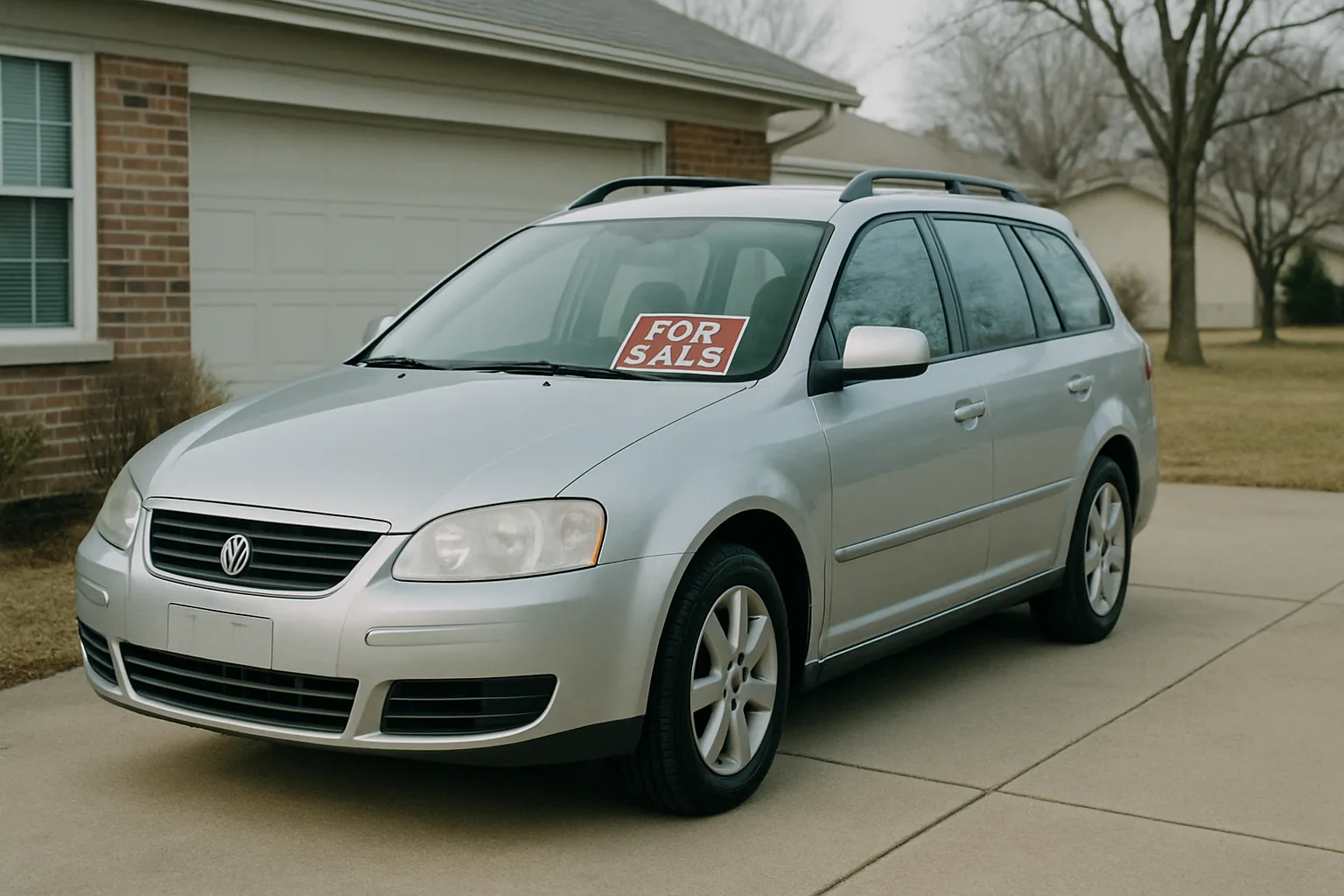
When an Estate Leaves You with a Car You Don't Know What to Do With
Nobody plans for it. A parent passes, a relative's estate lands in your lap, and suddenly you're standing in a driveway in St. Louis staring at a 2009 Buick LaCrosse with 140,000 miles on it, no idea what it's worth, and no desire to keep it. You've got enough on your plate. The last thing you need is a complicated vehicle sale adding to it.
Estate vehicles are one of the most common reasons people search cash for junk cars St. Louis — and one of the most misunderstood. A lot of people assume they're stuck with whatever a junkyard offers them. They're not. Depending on the vehicle's condition, its components, and who's buying, you might get significantly more than scrap value if you handle it the right way.
This is a walkthrough of what actually works — from paperwork to payout.
Step One: Figure Out What You Actually Have
Before you do anything else, assess the vehicle. Not just "does it run" — actually look at what's there. The difference between a $300 scrap offer and a $1,200 offer often comes down to a few key components that buyers care about.
Start with these:
- Does it run and drive? A running vehicle almost always gets a better offer than a non-runner. Even if it's rough around the edges.
- What's the catalytic converter situation? Older American vehicles — trucks, SUVs, and full-size sedans — often carry catalytic converters with real precious metal content. That has value independent of the car itself. You can even sell catalytic converters online separately if the vehicle is otherwise going to scrap.
- Is there a title? Missouri requires a clear title to transfer ownership. If the estate doesn't have one, you'll need to apply for a replacement through the Missouri Department of Revenue before most legitimate buyers will touch it.
- What's the mileage and body condition? A 12-year-old sedan with 80,000 miles and clean body panels has a very different value profile than the same car with 200,000 miles and rust through the rockers.
Take photos. Front, rear, both sides, interior, odometer, and the undercarriage if you can manage it. Documentation moves things faster and gives buyers confidence — which typically translates to better offers.
Why Estate Vehicles Often Sell for Less Than They Should
Here's what happens most of the time. Someone inherits a car, calls one local buyer, takes whatever number they're given, and moves on. That's understandable. When you're dealing with grief, probate, and a hundred other tasks, the car is just one more thing to get off the list.
But that single-call approach is exactly why most estate vehicle sellers leave money on the table. One buyer means one opinion of value. There's no competition. No comparison point. You're guessing whether the offer is fair because you have no data.
The old way — one phone call, one buyer, one number — doesn't protect you. It protects the buyer.
Platforms like SMASH Cars exist specifically to change that dynamic. Instead of calling one junkyard or one "we buy cars" operation and hoping for the best, you put the vehicle in front of multiple vetted buyers. Competition does what it's supposed to do: it surfaces a number closer to actual market value. That's true whether you're in St. Louis, Kansas City, or anywhere else in Missouri.
Dealing with the Title — The Most Common Obstacle for Estate Sales
If there's one thing that stalls estate vehicle sales more than anything else, it's the title. Let's be direct about the most common scenarios:
Title is in the deceased's name: In Missouri, you'll typically need to go through the estate process to transfer the title to an heir or executor before you can legally sell it. If the estate went through probate, the executor can often sign the title over. If it was a smaller estate, Missouri has a simplified process for motor vehicles that doesn't require full probate — check with the Missouri Department of Revenue or an estate attorney for your specific situation.
Title is lost or missing: Apply for a duplicate title through the Missouri Department of Revenue. It's not complicated, but it takes time. Start this early — don't wait until you have a buyer lined up.
Vehicle is out of state: If the estate vehicle is registered in another state — say, a relative who was living in Nevada — you'll deal with that state's titling rules before you can sell it in Missouri. This is where things get more specific, and getting local legal advice pays off.
One note: some buyers do purchase vehicles without a title, but the offers are typically lower and the buyer pool is smaller. Getting the paperwork straight before you list gives you more options and better leverage.
What "More Than Scrap Value" Actually Means for an Estate Car
Scrap value is based on the vehicle's weight and the current price of ferrous metal — essentially what the car is worth melted down. For most passenger vehicles, that number is in the low hundreds. It's a floor, not a ceiling.
Above scrap value, you start adding in factors like:
- Drivability: Running vehicles attract a wider buyer pool, including people who want to repair and resell, not just crush.
- Part demand: Certain makes and models have strong used parts markets. A 2008–2014 American truck or SUV in Missouri often has more buyer interest than an obscure import because the parts are in demand locally.
- Catalytic converter content: Precious metals — platinum, palladium, rhodium — are recovered from cats. Larger SUVs and trucks often have higher-content converters. This alone can add hundreds to the vehicle's value if you're dealing with the right buyers.
- Tires, rims, battery: If these are in good shape, they factor into what buyers are willing to pay.
The point is: scrap value is the worst-case number. When you introduce competition and documentation, you're often looking at something meaningfully higher. That gap is exactly what SMASH Cars is built to capture for sellers.
How to Actually Sell an Estate Vehicle in St. Louis
Here's a practical sequence that works:
- Confirm legal ownership. Get the title sorted first. Everything else depends on this.
- Document the vehicle. Photos, mileage, condition notes, known issues. Be honest — buyers walk away when reality doesn't match the description.
- Check local demand signals. A quick look at what similar vehicles are selling for in the St. Louis area gives you a baseline. You don't need to be an expert — just informed enough to recognize a lowball offer.
- Use a platform that creates competition. Don't call one buyer. Put the vehicle in front of multiple vetted buyers and let them bid. That's how you find out what the market actually thinks the car is worth.
- Arrange pickup. Most buyers in the cash for cars Missouri market offer free pickup. Confirm this before you commit. If a buyer is charging you to remove the vehicle, that's a red flag worth noting.
- Get paid before the car leaves. Cash or certified payment at pickup. Not a check mailed later. Not a promise.
If the vehicle is truly at end of life and you want zero hassle, you can also schedule a free scrap car pickup — a fast option when condition makes a full auction unnecessary.
For everything else, especially vehicles with some life left in them or components worth recovering, taking the time to get competitive offers is worth it. For more guidance on navigating the selling process, browse car selling tips on our blog — there's a lot of practical information there for first-time sellers.
One More Thing: Don't Donate Before You Know the Value
Donating a vehicle feels good and it's genuinely a decent option in some situations — particularly if the car has minimal market value and you want a simple tax receipt. But a lot of people donate vehicles that would have sold for $800, $1,200, or more, simply because they didn't know.
The tax deduction for a donated vehicle is typically based on what the charity sells it for — not what you think it's worth. If the charity turns around and scraps it, your deduction reflects scrap value. That math doesn't always favor donation over a direct sale.
Find out what the car is actually worth before you decide. If the number is meaningful, sell it and keep the cash. If it's truly not worth the effort, donation or St. Louis scrap metal services become more attractive options. But go in with eyes open.
Dealing with an estate is hard enough without leaving money behind on a decision you made in five minutes. Get the vehicle in front of real buyers, let competition do its job, and walk away with a fair number. Connect with trusted auto buyers in the USA through SMASH Cars — get your free offer at smash-cars.com and find out what your estate vehicle is actually worth before you sign anything over.
Frequently Asked Questions
Q: Can I sell a car for cash in St. Louis if the title is in my deceased parent's name?
Yes, but you'll need to establish legal authority to transfer the title first. In Missouri, this typically means going through the estate or probate process, or using the state's simplified transfer procedure for smaller estates. Contact the Missouri Department of Revenue or an estate attorney to confirm the right path for your situation before approaching buyers.
Q: How do I get the most cash for junk cars in St. Louis?
The single most effective thing you can do is avoid calling just one buyer. Get the vehicle in front of multiple vetted buyers so they compete for it. Document the vehicle thoroughly — photos, mileage, condition notes — because better documentation typically leads to stronger offers. Platforms like SMASH Cars are built specifically to create that kind of competition for sellers.
Q: What if the estate car doesn't run? Can I still sell it for cash in Missouri?
Absolutely. Non-running vehicles sell every day across Missouri. The offer will reflect the condition — don't expect the same number as a running car — but there's still a real market for non-runners, especially if the catalytic converter, tires, rims, or other components are in decent shape. Most legitimate buyers in the cash for cars Missouri market also offer free pickup for non-runners.
Q: How fast can I sell an estate car in St. Louis?
If your paperwork is in order, same-day and next-day sales are realistic. Title issues are the most common cause of delays. Get that sorted first and the actual sale process can move quickly — offer, acceptance, pickup, payment, often within 24–48 hours of connecting with a buyer.
Q: Is it worth selling the catalytic converter separately before scrapping the car?
It depends on the vehicle. Larger SUVs and trucks — especially older American models — often carry catalytic converters with meaningful precious metal content. In some cases, selling the cat separately and then scrapping the rest of the vehicle nets more than selling the whole car at once. It's worth checking what your specific vehicle's converter is worth before making a decision either way.
Stay ahead of the market — follow SMASH on LinkedIn for industry updates, scrap metal market insights, and tips for getting more from your next vehicle sale.