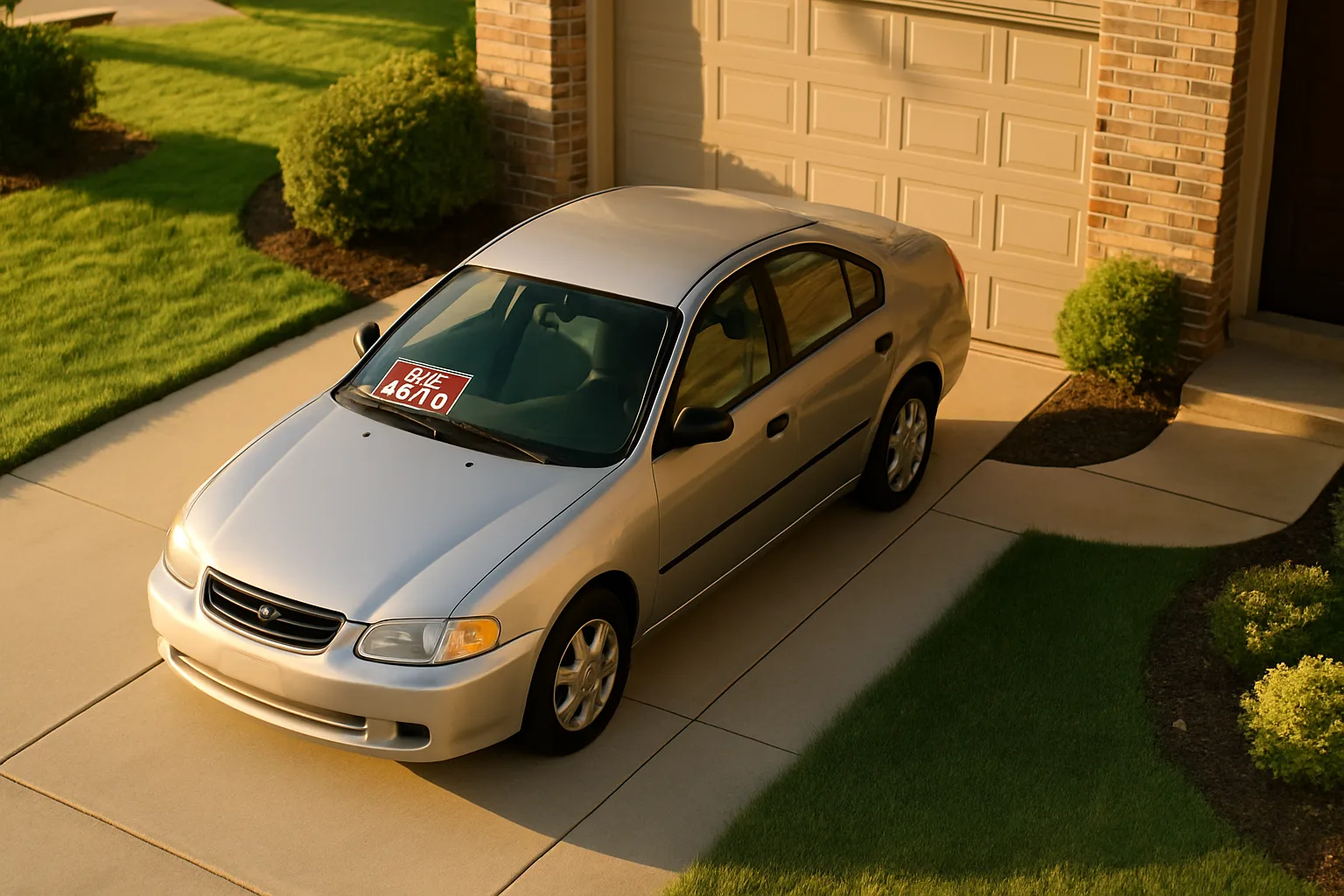
The Dealership Trade-In Is Costing You More Than You Think
Most people assume trading in at a dealership is the easy path. Hand over the keys, sign a few forms, knock some money off the new car price. Simple, right? But "simple" often means you're leaving real money on the table — sometimes hundreds, sometimes thousands of dollars. If you're trying to sell scrap car Denver or unload an old, damaged, or unwanted vehicle anywhere in Colorado, the private sale route almost always puts more cash in your pocket.
This isn't a knock on dealerships for existing. It's just math. Dealerships are businesses. They buy low and sell high. When you trade in, you're selling to a middleman who needs to profit on your vehicle — whether they wholesale it, auction it, or put it on the lot. Private buyers and specialized auto buyers don't carry that overhead the same way. That difference goes to you instead.
Here's a side-by-side breakdown of why selling privately — especially through a platform built for transparency — beats the trade-in every time.
5 Reasons Private Sales Beat the Dealership Trade-In
1. You Get the Actual Market Value, Not the Wholesale Minimum
When a dealer appraises your car, they're estimating what they can resell it for — then subtracting reconditioning, lot fees, and their margin. You see a fraction of what the market would actually pay. Private buyers and specialized vehicle buyers assess what your car is worth to them directly, which means competition can actually happen. More buyers in the room means better price discovery.
For damaged vehicles, estate cars, or end-of-life vehicles, this gap is even wider. A dealer will lowball an accident-damaged car hard because they can't put it on the showroom floor. A salvage buyer or parts buyer might see that same car very differently.
2. You're Not Subsidizing the New Car Deal
Here's a trick the finance office loves: inflate the trade-in value, then quietly add it back into the new car price, financing terms, or add-ons. The trade-in number looks great on paper. The total deal? Not so great. When you separate the transactions — sell your old car privately first, then buy your new one — you negotiate each deal on its own merits. You see exactly what you're getting and giving up.
Denver drivers who've gone through this process often report the combined outcome (private sale + clean new-car negotiation) results in a noticeably better financial position. The math is simple when you don't let the dealership bundle it.
3. Damaged, Uninsured, and Title-Challenged Vehicles Get a Real Shot
Dealerships almost never give fair value for cars that are wrecked, uninsured, have a salvage title, or are missing paperwork. Many won't touch them at all. But private buyers and specialty platforms deal in exactly these vehicles every day. If you need to sell car for scrap no title, there are legitimate buyers in the market for that — you just won't find them at the new car lot.
This matters a lot for inherited vehicles, estate cars, or vehicles written off by an insurer. The dealership has no use for a car that can't go on the lot. The right buyer absolutely does. Colorado has specific processes for handling title issues on estate and inherited vehicles, so it's worth knowing your options before you assume a no-title car has no value.
4. Free Pickup Beats the Hassle of Driving It In
If your vehicle is non-running, barely road-legal, or you just don't want to deal with the logistics, many private and specialty buyers offer free scrap car pickup Denver and surrounding areas. You're not hauling a dead car to a dealership that's going to lowball you anyway. A buyer comes to you, inspects the vehicle, and handles removal. That's a fundamentally different experience.
For Colorado sellers dealing with mountains, rural addresses, or vehicles that simply won't start, this kind of pickup service is the difference between a sale that happens and one that doesn't. You can get a free car valuation before anyone shows up, so you know what to expect.
5. Transparency You Can Actually Verify
Private sales and auction-based platforms give you a paper trail. You see the offer. You see what buyers are competing for. There's no finance manager in a back room rearranging numbers. Platforms built around competitive bidding — like a scrap metal auction platform model applied to vehicles — force the market to surface. The seller sees real demand, not a single take-it-or-leave-it number from someone who benefits from you taking less.
That transparency also matters for documentation. A proper sale through a legitimate buyer includes bill of sale, title transfer paperwork, and a clear record that you no longer own the vehicle. No loose ends, no liability surprises after the car leaves your driveway.
What Your Old Car Is Actually Worth (And Why Dealers Won't Tell You)
The range in vehicle value is huge depending on condition, make, year, and what the buyer plans to do with it. A running 2015 sedan with body damage might be worth significantly more to a used car buyer than a dealer's trade-in appraisal suggests. An end-of-life truck with no title might still have valuable parts, core components, or scrap metal value that a specialty buyer will factor in while a dealer will ignore entirely.
Non-ferrous metals, catalytic converters, aluminum wheels, and certain engine components all carry market value. A dealer appraiser isn't thinking about the catalytic converter. A scrap buyer absolutely is. That's value that private and specialty buyers will account for — and dealerships typically won't.
For Denver and broader Colorado sellers, the key is getting multiple eyes on your vehicle, not just one. Connect with trusted auto buyers in the USA through SMASH Cars to see what competitive offers look like for your specific vehicle — running or not, titled or not, insured or not.
How SMASH Makes the Private Sale Process Simpler
SMASH approaches vehicle buying the way it approaches scrap metal — with competition, documentation, and no guesswork. Instead of one buyer making one offer in a back room, the platform connects sellers with vetted buyers who have actual demand for the vehicle. That competition is what surfaces real market value.
If you've been putting off selling a car because you don't know where to start, or you've already been burned by a lowball trade-in, this is a different model. No subscription fees. No commitment before you see an offer. Just a transparent process where the buyer competes for your vehicle instead of the other way around.
For vehicles with title issues, accident damage, or end-of-life status, SMASH scrap and the SMASH Cars platform are built to handle the complexity that makes dealerships walk away. You can also explore Denver scrap metal services for local vehicle pickup and valuation options specific to your area.
If you want a broader look at your options before committing to anything, browse car selling tips on our blog — there's a lot of practical information on navigating title issues, understanding scrap value, and getting the most from a private sale.
The Bottom Line: Stop Letting the Dealer Set the Price
The trade-in model was designed for dealership convenience, not seller value. It bundles decisions that should be separate, limits your buyer pool to one, and benefits from information asymmetry. You don't know what your car is actually worth. They do. That gap is their profit.
Private sales — especially through platforms that bring competitive buyers to your vehicle — flip that dynamic. You get real market exposure, documented transactions, and no pressure to take the first number that comes across a desk. For Denver sellers dealing with damaged vehicles, inherited cars, uninsured vehicles, or anything the lot won't touch, this is the path that actually pays.
Selling privately doesn't have to mean posting on Craigslist and fielding sketchy texts. It means connecting with buyers who specialize in exactly what you have. And for that, explore scrap car removal services at GetMyScrapCar or get started with SMASH Cars to see what your vehicle is actually worth today. Ready to find out what your car is really worth? Get connected with trusted auto buyers in the USA through SMASH — get your free offer at smash-cars.com.
Follow SMASH on LinkedIn for ongoing market insights, industry updates, and tips on getting the most from your next vehicle sale.
Frequently Asked Questions
Q: Can I sell a scrap car in Denver without a title?
Yes, in many cases. Some buyers and specialty platforms will purchase vehicles without a title, depending on the situation — estate vehicles, inherited cars, and certain end-of-life vehicles can often still be sold. Colorado has processes for replacing or clearing title on these vehicles, and many buyers will help walk you through what's needed. It's worth getting an offer first to understand your options.
Q: How do I sell my scrap car in Denver fast?
The fastest route is typically through a specialty buyer or platform that offers free pickup and same-day or next-day offers. Avoid the dealership if speed matters — trade-in appraisals take time and the offer rarely reflects what competitive buyers would pay. Platforms like SMASH Cars can connect you with vetted buyers quickly, without the back-and-forth.
Q: Is free scrap car pickup available in Denver and across Colorado?
Yes. Many specialty vehicle buyers serving the Denver metro and broader Colorado region offer free pickup as part of the sale. This is especially useful for non-running vehicles, vehicles in storage, or situations where driving the car to a buyer simply isn't practical. Confirm pickup availability when you request your offer.
Q: What if my car has accident damage — can I still sell it for more than scrap value?
Absolutely. Accident-damaged vehicles often retain significant value in parts, components, and materials that a scrap price alone won't reflect. Specialty buyers and auto salvage buyers look at the full picture — what's recoverable, what's repairable, what's marketable. Getting multiple buyers competing for your vehicle is the best way to surface that value.
Q: Why does a private sale almost always beat the dealership trade-in?
Dealers buy low and sell high — that's their business model. When you trade in, you're selling to a middleman who needs to profit on your vehicle before it reaches its next owner. Private buyers and specialty platforms compete directly for your car without the same overhead, which means more of the market value flows to you rather than to the dealer's margin.