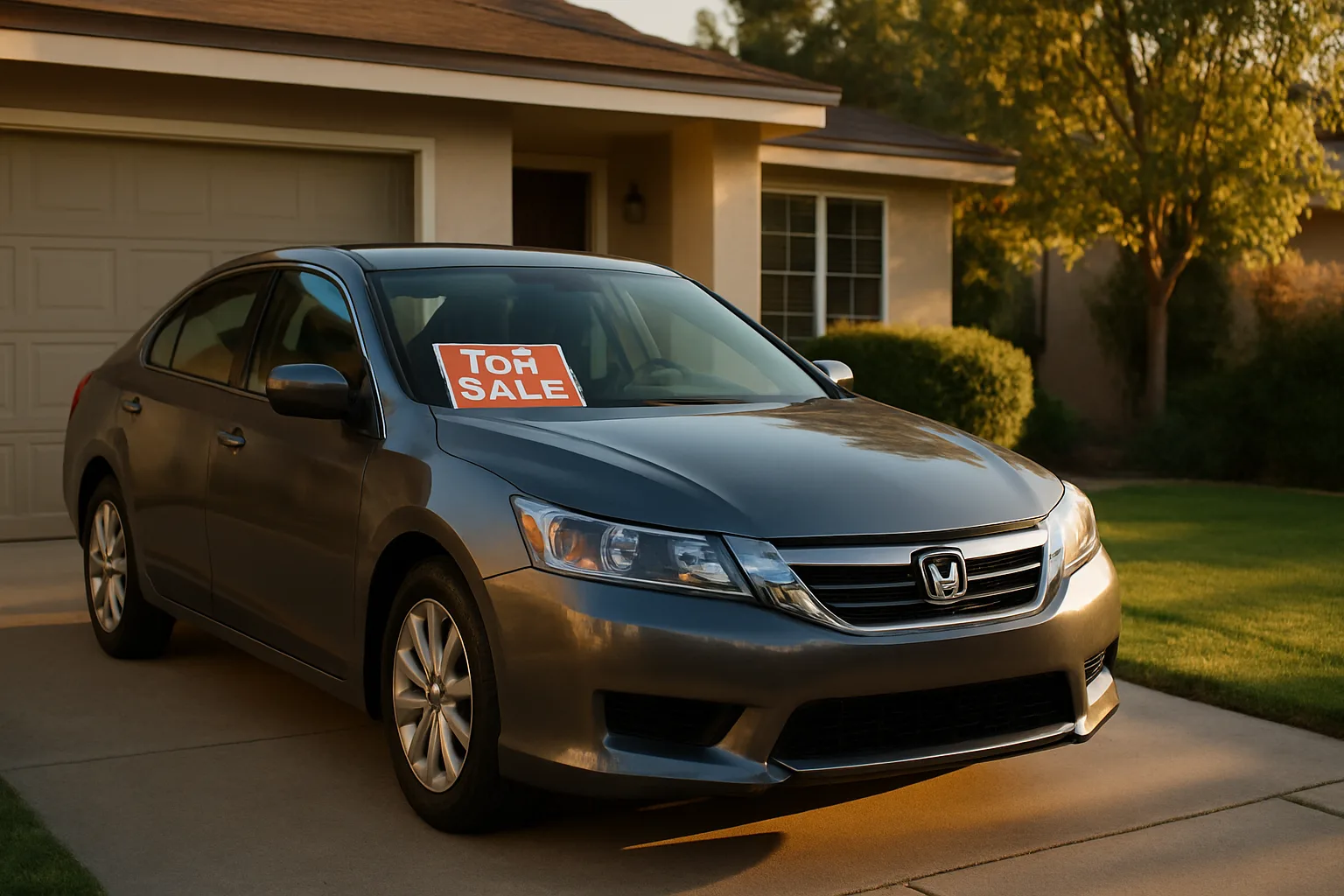
Most people assume selling a junk car is simple: call a buyer, get cash, done. But if you've ever tried to sell my car fast Phoenix and hit a wall with title paperwork or been told your car "doesn't qualify," you've already felt the friction that state regulations create. The rules vary dramatically across the U.S. — and if you don't know them, you leave money on the table or delay your sale by weeks.
This isn't a horror story. It's a case study in how understanding the regulatory landscape helps real car owners get better outcomes — faster, with fewer headaches.
---Why State Regulations Matter More Than You Think
Every state sets its own rules for how vehicles can be transferred, titled, crushed, or parted out. What's routine in Texas might be a bureaucratic hurdle in California or Illinois. These rules exist for legitimate reasons — preventing theft, controlling environmental hazards, tracking salvage titles — but they create real consequences for everyday sellers.
Here's what's actually regulated, depending on where you live:
- Title requirements: Some states require a clean title to sell. Others allow a bill of sale or affidavit in its place.
- Salvage and rebuilt title rules: A vehicle declared a total loss by an insurer gets a salvage title. Selling that car — and what it's worth — depends heavily on your state's treatment of salvage titles.
- Environmental disposal standards: Fluids, batteries, airbags, and catalytic converters all have regulated disposal pathways. Yards and buyers must comply. That compliance cost factors into the price they offer you.
- Dealer and dismantler licensing: Not anyone can buy a junk car legally in every state. Buyers must often be licensed dismantlers, salvage dealers, or registered recyclers.
- Emissions and smog certifications: A few states require smog checks before transfer even for non-running vehicles, though most exempt true junk cars.
Understanding what your state requires — and what it doesn't — is the first move smart sellers make.
---The Arizona Reality: Selling a Junk Car in Phoenix
Arizona sits in an interesting middle ground. The state has relatively streamlined vehicle transfer rules compared to high-regulation states like California, but sellers still need to hit the basics. If you're looking to sell my car fast Phoenix, here's the practical picture.
Arizona requires a title for most private vehicle sales. If you've lost yours, the Arizona Motor Vehicle Division (MVD) can issue a duplicate — typically processed in a few business days. For older vehicles where the title has been missing for years (common in estate situations or long-stored cars), an MVD inspection and an affidavit of affixture may be required.
Importantly, Arizona does allow cash for cars no title near me scenarios through licensed salvage yards under specific conditions. If the vehicle is old enough or meets certain criteria, a licensed buyer can process it without a clean title. This matters for anyone dealing with an inherited vehicle, a storm-damaged car, or a total loss that never got formal paperwork resolved. If you're navigating that exact situation, Phoenix scrap metal services can help you understand what applies to your specific vehicle.
Arizona also requires sellers to file a Vehicle Report of Sale (Form 96-0236) within 72 hours of transferring any vehicle. This removes your liability the moment you hand over the keys. Don't skip this step — people have received parking tickets and worse on cars they already sold because they missed the filing.
---Case Study: Three Sellers, Three Different Outcomes
Let's ground this in reality. Here are three composite scenarios based on common seller situations across the U.S. — names are fictional, but the regulatory friction is real.
Seller 1: Estate Vehicle in Ohio
The situation: A family in Ohio needed to sell a 2009 sedan left behind by a deceased parent. No title on hand. The estate was still in probate. They'd been told by one local buyer they couldn't sell it — full stop.
What actually applied: Ohio has specific provisions for selling estate vehicles. With a certified copy of the death certificate, a letter of authority from the probate court, and a completed BMV-3771 form, a vehicle can be titled in the estate's name and then transferred to a buyer. It takes time, but it's legal and it works. Understanding junk car prices Ohio at the time — knowing what that year/make was worth in scrap versus parts — helped the family decide whether the paperwork effort was worth it. (It was. The car had a working transmission and brought more than scrap value.)
Seller 2: Total Loss in Phoenix, Arizona
The situation: A Phoenix driver's car was rear-ended and declared a total loss by their insurer. The insurer paid out but retained the salvage title, then the seller bought it back at the salvage auction — a common move when the car is still partially functional. Now they had a salvage-titled vehicle and wanted to move it fast.
What actually applied: Arizona's salvage title rules are clear: a salvage title car can be sold to a licensed dismantler or rebuilt and inspected for a "restored" title. The seller had two paths — sell for cash for junk cars Phoenix to a licensed yard, or invest in repairs and resell. They chose to sell as-is. Using a platform like SMASH Cars to get a free car valuation helped them understand what the market would bear for that specific salvage vehicle before committing to a buyer.
Seller 3: Uninsured Vehicle in California
The situation: A San Diego seller had a running but uninsured car they couldn't legally drive. California has strict emissions and smog requirements — the car had failed smog twice. They assumed the car was worthless.
What actually applied: California buyers can purchase vehicles sold as-is for parts or scrap — the seller isn't required to fix smog failures for a scrap sale. The car still had a catalytic converter, working seats, and intact glass. A competitive buyer process revealed it was worth more than bare scrap. The lesson: never assume your car is worthless before you let the market weigh in. Platforms like SMASH Cars connect sellers with vetted buyers who actually want what you have — running or not, clean title or not. You can also browse car selling tips on our blog for state-specific guidance before you start.
---Scrap Metal Prices Today and How Regulations Affect Them
Here's something most sellers don't connect: environmental regulations directly affect scrap metal prices today. When state or federal rules tighten the disposal requirements for hazardous vehicle components — refrigerants, mercury switches, airbag inflators — compliant yards absorb those costs. That gets passed downstream in the form of lower bids on vehicles where those components are present.
Conversely, when scrap metal commodity markets are strong (as ferrous and copper prices have been in recent months of 2026), competitive buyers will push harder to win your vehicle because the math works in everyone's favor. The regulatory overhead is a fixed cost — it doesn't change with the market. So when metal prices rise, your net return as a seller generally improves.
This is exactly why sell my car fast Phoenix searches spike when commodity prices tick up. Sellers feel the market shift even before they fully understand why. Understanding the connection between regulatory compliance costs and commodity price cycles helps you time your sale better. Check current market rates at getmyscrapcar.com before you commit to any offer.
---How to Navigate Regulations and Get More Than Scrap Value
Regulations don't have to slow you down. They just require preparation. Here's the practical playbook for sellers in Phoenix and across the U.S.:
- Find your title or replace it. Most state DMV or MVD offices can reissue a duplicate title quickly. In Arizona, you can start online through the MVD. Don't wait until a buyer is ready.
- Know your vehicle's category. Is it a clean title, salvage title, rebuilt title, or parts-only? Each category has different buyer pools and different price ceilings.
- Document everything. Photos, VIN, any service records — documented vehicles attract better bids because buyers face less uncertainty. This is exactly what competitive platforms require and reward.
- Get multiple offers. One buyer's offer is just one data point. The market is the market — let more buyers compete for your car.
- File your transfer paperwork immediately. In Arizona, file your Vehicle Report of Sale within 72 hours. In other states, follow the equivalent process. Protect yourself the moment the car leaves your hands.
- Use vetted buyer platforms. Unlicensed buyers can create title and liability problems down the road. Use platforms that vet the buyers so you don't have to.
If the process still feels unclear, connect with trusted auto buyers in the USA through SMASH Cars — the platform is built to handle the variables that trip sellers up, including salvage titles, estate vehicles, and cars without current registration.
---Frequently Asked Questions
Q: Can I sell my car fast in Phoenix without a title?
In some cases, yes. Arizona allows licensed salvage yards to purchase certain vehicles without a clean title under specific conditions — particularly older vehicles or total losses with documented history. Contact a licensed buyer directly and ask what documentation they need. Having a VIN, proof of identity, and any available paperwork speeds the process significantly.
Q: How do state regulations affect cash for junk cars in Phoenix?
Arizona's regulations require buyers to be licensed dismantlers or salvage dealers, which actually protects you as a seller — it means the buyer is accountable and the transaction is traceable. The rules also govern how hazardous materials are handled, which can affect the net offer slightly but ensures the process is legal and your liability ends at the transfer.
Q: What affects scrap metal prices today for my junk car in Arizona?
Scrap metal commodity markets — particularly steel, aluminum, and copper — drive the floor price for any vehicle. Beyond that, the presence of valuable components like catalytic converters, working transmissions, or intact electronics can push your vehicle's value above bare scrap. Prices fluctuate, so always check current rates before accepting an offer.
Q: What are junk car prices in Ohio versus Phoenix?
Prices vary by region based on local scrap commodity rates, transportation logistics for buyers, and demand for specific vehicle makes and models. Ohio and Arizona have different buyer ecosystems and different scrap processing costs. The best approach anywhere is to get competitive offers rather than relying on any single quote.
Q: How do I sell an inherited or estate car in Phoenix?
Estate vehicle sales in Arizona require documentation showing you have authority to transfer the vehicle — typically a death certificate combined with probate documents or a small estate affidavit for lower-value estates. Once you have the right paperwork, the sale process is the same as any other vehicle. Platforms designed for complex sales situations can walk you through what's needed.
---The regulatory layer around vehicle scrapping is real — but it's navigable. Whether you're in Phoenix dealing with a salvage title, in Ohio sorting out an estate vehicle, or anywhere else in the U.S. trying to get more than a scrap yard lowball, preparation and competition are your two best tools. SMASH Cars exists to put both in your hands — vetted buyers, transparent offers, and a process built for the complexity that catches most sellers off guard. Get your free offer at smash-cars.com and find out what your vehicle is actually worth in today's market.
Stay sharp on scrap metal market trends and vehicle selling tips — follow SMASH on LinkedIn for regular industry updates across North America.