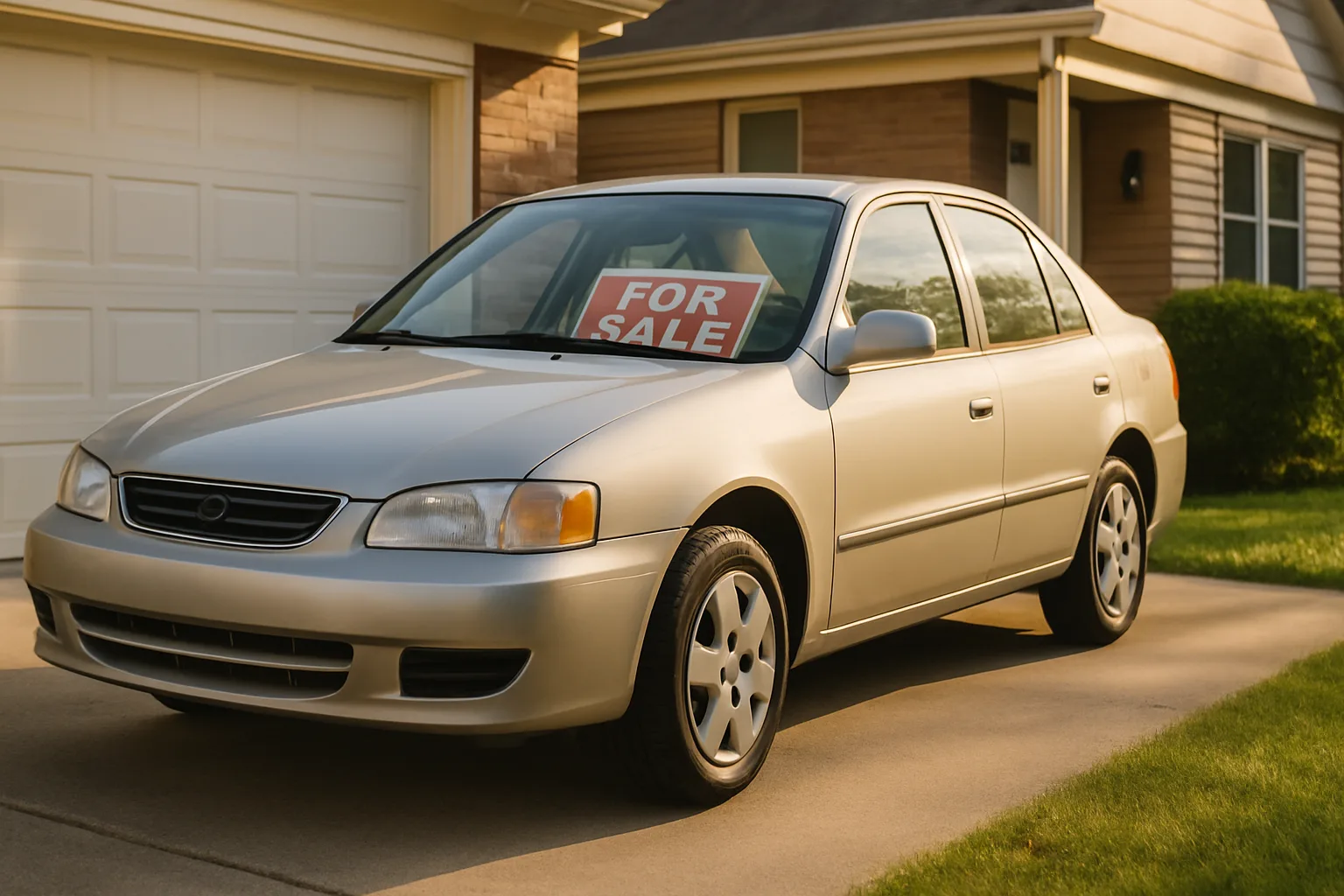
Most car owners think junk car removal is simple: call a number, someone shows up, you get paid. But what actually happens between your call and the check in your hand? There's a whole ecosystem running behind the scenes — and understanding it can put more money in your pocket.
The relationship between towing companies and scrap buyers is the engine that drives junk car removal Cincinnati and every other market like it. When that relationship works well, you get fast pickup, fair pricing, and no runaround. When it doesn't, you get low-ball offers and a lot of wasted time. Here's how it actually works — and how you can use that knowledge to sell smarter.
The Hidden Partnership Behind Every Junk Car Pickup
Towing companies and scrap buyers aren't the same business. They often operate independently but depend on each other completely. The tower gets paid to move metal. The scrap buyer gets paid to process it. The seller — that's you — sits at the start of the chain.
In most cases, a tow operator has relationships with one or two scrap yards they send loads to regularly. That exclusivity isn't always good for you. It means the yard they use is the yard that sets your price, and you have no visibility into whether that price reflects the actual market. A vehicle worth significantly more than scrap value — because of working parts, a solid catalytic converter, or low-mileage components — might get processed the same way as a rusted-out shell with nothing salvageable.
The smarter sellers understand this structure and route around the bottleneck. Platforms like connect with trusted auto buyers in the USA through SMASH Cars put competitive buyers in front of your vehicle instead of routing you through one yard's price list.
Why Scrap Car Value Today Varies So Much — Even in the Same City
Two neighbors in Cincinnati could call different buyers on the same day and get offers that differ by hundreds of dollars for nearly identical vehicles. That's not a mistake. It reflects how fragmented the buying market is and how much pricing depends on who you call first.
Scrap car value today is influenced by several real factors:
- Commodity metal prices — steel, aluminum, and copper fluctuate constantly.
- Catalytic converter value — platinum, palladium, and rhodium inside the converter can make a significant difference, especially on late-model vehicles.
- Vehicle condition and completeness — intact parts like engines, transmissions, and airbag modules may be sold separately before the shell gets crushed.
- Local demand — some buyers need specific vehicle types for parts inventory and will pay a premium for the right make and model.
- Access and tow distance — some buyers deduct towing from the offer; others cover it entirely.
This variability is exactly why relying on a single call to a local tow-and-scrap operation can cost you. When you get a free car valuation through a platform that surfaces multiple buyers, you see what the market actually thinks your vehicle is worth — not just what one buyer wants to pay.
How Towing Companies Influence What You're Offered for Your Junk Car
Here's something most sellers don't realize: the person who shows up in the tow truck often isn't the one setting the price. They're quoting you what the yard they haul to is willing to pay, minus their cut. In some arrangements, the tow operator gets a flat fee per vehicle. In others, they take a percentage of the final scrap settlement.
That structure creates a real misalignment of incentives. The tower wants fast, easy pickups. The yard wants consistent volume. Neither one is primarily motivated to get you the best price — that's just not how their relationship is structured.
In Cincinnati and across Ohio, the junk car market operates this way unless you specifically route around it. Sellers who go direct to buyers — or use a competitive platform — skip the middleman entirely and keep more of the payout. That's not cynical. It's just how the supply chain works, and knowing it puts you in a better position.
If you're dealing with a vehicle that has no title or no keys, that dynamic gets even more complicated. Some tow-and-scrap operations will turn you away immediately. Others will offer almost nothing to offset the paperwork risk they're taking on. But cash for cars no title no keys is a real service category — the right buyers handle the title work routinely and won't penalize you for it.
What Happens to Your Car After It Leaves the Driveway
Understanding the downstream process helps you negotiate better before the truck arrives. Here's the typical lifecycle of a junk vehicle once it gets picked up:
- Initial assessment at the yard — the vehicle is inventoried for salvageable parts, fluids are drained, and the catalytic converter is typically removed first because of its commodity value.
- Parts pull — high-demand components like alternators, starters, sensors, and body panels are pulled for resale through used parts channels.
- Depollution — mercury switches, refrigerants, and other hazardous materials are removed per environmental regulations.
- Crushing and shredding — the shell gets baled or shredded and sold to steel mills as ferrous scrap.
- Non-ferrous recovery — aluminum, copper wiring, and other non-ferrous metals are separated and sold separately at higher per-pound rates.
By the time your car gets to step five, the yard has recovered value at multiple points. You should capture as much of that value as possible at step zero — before the vehicle leaves your property. That means knowing what you have, documenting it, and getting competing offers.
For more practical guidance on this, browse car selling tips on our blog — there's real information on maximizing value across different vehicle types and conditions.
Cincinnati Sellers: What the Local Market Looks Like Right Now
Cincinnati sits in a strong position for cash for cars Ohio sellers. The region has active scrap infrastructure, multiple buyers competing for volume, and steady demand for salvage parts driven by the broader Midwest auto market. That competition should work in your favor — but only if you actually access it.
Many sellers in the Cincinnati area still default to the first number they find. That's understandable. Selling a junk car isn't something most people do more than a few times in a lifetime. But in a market with real buyer competition, defaulting to one call means leaving money on the table.
Local context matters too. If you're selling an estate vehicle after a loss, or offloading a car after an accident, or getting rid of something that's been sitting uninsured in the driveway for two years — those scenarios have different paperwork implications that Cincinnati-area buyers handle differently. Working with Cincinnati scrap metal services that understand local titling, Ohio DMV requirements, and state-specific salvage rules saves you headaches and delays.
And if you're outside Cincinnati but still in the region, platforms like SMASH Cars connect you with buyers across Ohio and the broader U.S. network — not just the handful of yards within a 10-mile radius.
Getting More Than Scrap Value: The Case for Competitive Offers
The case study here isn't about one dramatic seller who got rich off an old beater. It's about a pattern that plays out every day: sellers who approach the market competitively consistently outperform sellers who take the first offer.
That gap is meaningful. Vehicles with intact catalytic converters — especially SUVs, trucks, and hybrids — can carry significant converter value above and beyond the base scrap weight. If a tow operator is quoting you a flat number without accounting for that, they're either uninformed or assuming you won't push back.
You can also sell catalytic converters online separately in some cases, though this adds complexity and requires documentation to comply with state regulations that have tightened significantly across the U.S. in recent years. For most sellers, bundling the vehicle and converter together through a vetted buyer is cleaner and often more competitive than trying to separate them.
SMASH brings vetted buyers to your vehicle — not just the tow operator's preferred yard. That's the structural difference that drives better price discovery. No subscription, no guessing, no single-buyer pressure. If you want to see what your vehicle is actually worth in today's market, that's where to start.
If you're ready to move a vehicle — whether it's damaged, uninsured, inherited, or just sitting — connect with trusted auto buyers in the USA through SMASH Cars and get a real offer based on real market demand. And for those who need no-hassle removal with no conditions attached, free junk car removal from GetMyScrapCar is worth a look too.
Disclaimer: Scrap metal and vehicle prices fluctuate based on commodity markets, vehicle condition, and buyer demand. Always check current rates before accepting an offer.
Frequently Asked Questions
Q: How does junk car removal in Cincinnati actually work?
You contact a buyer or platform, provide basic vehicle details (year, make, model, condition, title status), and receive an offer. If you accept, a tow truck picks up the vehicle — often within 24 to 48 hours — and you receive payment at pickup or via electronic transfer. The process is straightforward when you work with legitimate, vetted buyers.
Q: Can I sell my car in Cincinnati with no title and no keys?
Yes, many buyers handle cash for cars no title no keys situations regularly. Ohio has specific processes for obtaining a bonded title or a salvage certificate, and experienced buyers guide you through it. Don't assume a missing title means your vehicle has no value — get an offer first and let the buyer advise on paperwork.
Q: How do I know if my junk car is worth more than scrap value?
Vehicles with working or salvageable parts — especially catalytic converters, low-mileage engines, intact transmissions, or clean body panels — often exceed basic scrap weight value. Late-model SUVs and trucks especially carry strong converter value. A competitive offer from multiple buyers will reveal what your specific vehicle is actually worth in today's market.
Q: How long does it take to get cash for cars in Ohio?
Most legitimate buyers can complete the pickup within one to three business days after you accept an offer. Same-day service is available in some cases, particularly in metro areas like Cincinnati where tow capacity is strong. Payment typically happens at the time of pickup.
Q: Is SMASH available for junk car removal in Cincinnati?
SMASH Cars connects sellers across the U.S. — including Cincinnati and the broader Ohio market — with vetted buyers competing for your vehicle. It's not a single buyer with a fixed price list; it's a competitive process designed to surface real market value. Visit smash-cars.com to get started with a free offer.
Ready to stop guessing what your vehicle is worth? SMASH connects you with real buyers who compete for your car — whether it's running, wrecked, inherited, or just taking up space. Get your free offer at smash-cars.com and see what the market actually pays.
Follow SMASH on LinkedIn for ongoing market insights, scrap metal pricing updates, and practical tips for getting more from every vehicle you sell.