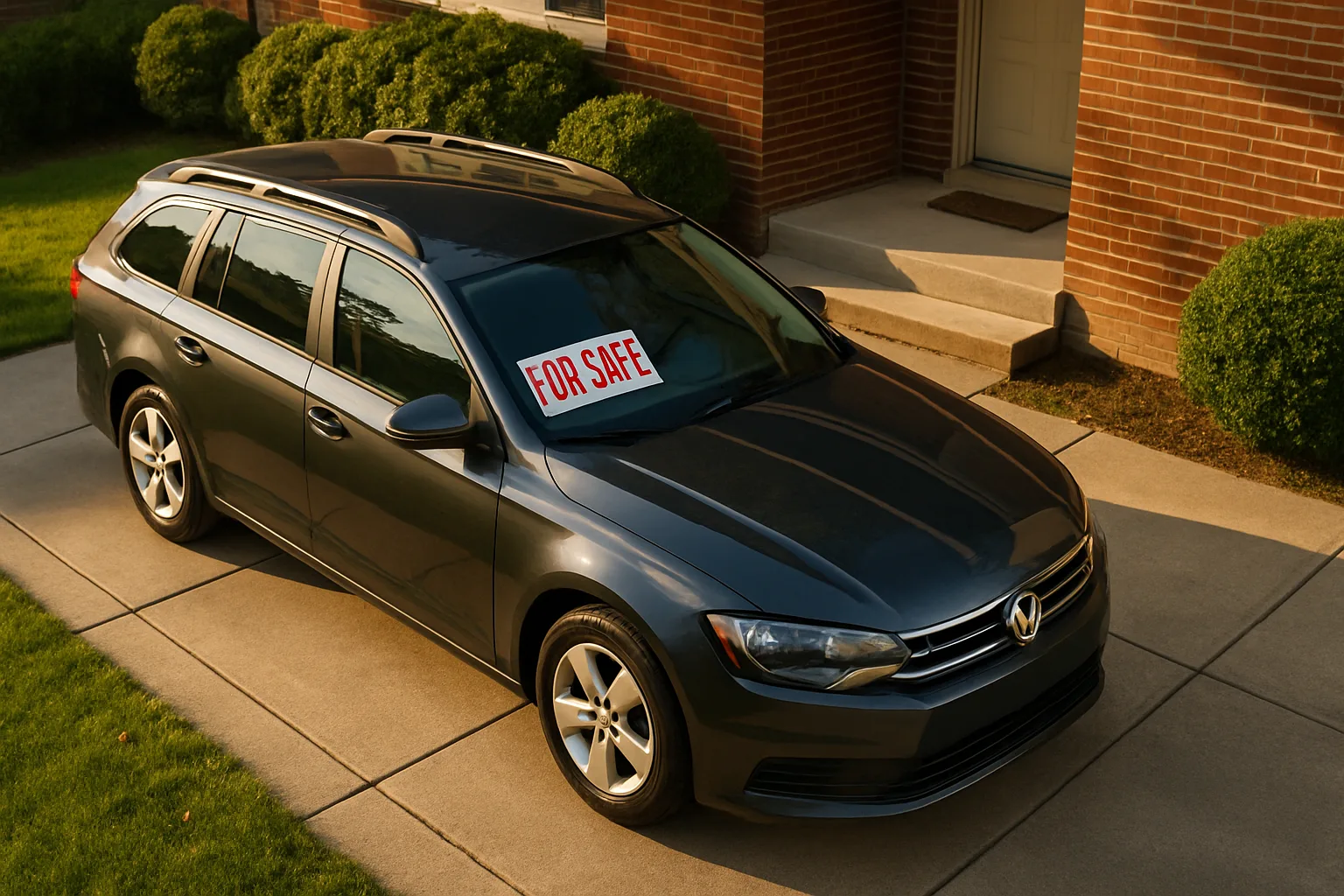
Settling an estate is hard enough without a vehicle sitting in the driveway that nobody knows what to do with. Whether it's a 2008 Civic with 190,000 miles or a pickup truck that hasn't moved since last winter, inherited cars create decisions — and most families aren't sure where to start. If you're trying to figure out scrap car value today for a vehicle you've come into through an estate, you're not alone. And you have more options than you think.
This guide walks you through exactly what to do with an estate vehicle you don't want to keep — step by step, no fluff.
---Step One: Understand What You Actually Own
Before you sell, donate, or scrap anything, you need to confirm legal ownership. This sounds obvious, but it trips up a lot of families. An estate vehicle doesn't automatically transfer to the person handling the estate — there's paperwork involved, and skipping it can delay or kill a sale.
Here's what you'll typically need to sort out first:
- The title. Is there a clear title in the deceased's name? A clean title makes the sale much easier. A missing or lien-encumbered title creates extra steps.
- Probate status. In Massachusetts and most U.S. states, vehicles that are part of a probate estate may need court authorization before you can legally transfer ownership. Check with a probate attorney if you're unsure.
- Joint ownership. If the vehicle was jointly owned with a surviving spouse or co-owner, the transfer process is usually simpler.
- Registration and insurance. An uninsured or unregistered vehicle can still be sold — you just need to be upfront about its status. Many buyers, including junk car buyers and auction platforms, handle sell car without insurance situations routinely.
Don't let paperwork paralysis stop you from moving forward. Most buyers and platforms that deal with estate or unwanted vehicle removal are used to title complications and can walk you through the process. Once you've confirmed your legal standing, you can move to the next step: figuring out what the vehicle is actually worth.
---What's the Scrap Car Value Today for an Estate Vehicle?
This is the question most families get wrong — because they assume scrap value is the ceiling. It often isn't. Scrap value is based on the weight of the vehicle and the current price of steel and non-ferrous metals. A typical passenger car weighs between 3,000 and 4,500 pounds. At current scrap metal rates, that translates to a baseline floor — not a final number.
The actual value of an estate vehicle depends on several factors:
- Make, model, and year. Certain makes hold parts value far beyond their scrap weight. Trucks, SUVs, and popular commuter cars often attract parting-out buyers who will pay more than a scrap yard.
- Condition. A car that runs and drives is worth more than one that doesn't. Even a vehicle with a salvage title or accident damage may have value beyond scrap if the powertrain is intact.
- Catalytic converter. Cats contain platinum, palladium, and rhodium — precious metals with real market value. If the cat is still on the vehicle, that adds to your price. Platforms with serial tracking and photo documentation help verify this before a sale.
- Demand in your area. Scrap car value near me varies by region. In the Greater Boston area and across Massachusetts, there's a competitive market for used vehicles and parts — which works in your favor.
The bottom line: don't accept the first number you hear from a single buyer. That's the old way of doing this — one phone call, one price, no comparison. More buyers means better price discovery. If you want to understand the actual market value of an estate car, you need competition, not charity.
Disclaimer: Metal prices and vehicle valuations fluctuate. Always check current rates before accepting any offer.
---Your Options for Selling or Disposing of an Estate Vehicle
You have more paths forward than most people realize. Here's a clear breakdown of the most common options — with honest notes on each.
1. Sell It Through a Competitive Buyer Platform
This is the best option if you want fair market value without the hassle of a private sale. Platforms like SMASH connect estate vehicles with vetted buyers who compete for the purchase. You get documented offers, transparency, and no subscription fees. If you're handling an estate in Boston or anywhere in Massachusetts, you can get a free car valuation and see what the market actually says — not what one buyer decided to quote you.
2. Sell Privately
A running estate vehicle in good condition can sometimes sell privately for retail or near-retail value. This takes more time — listing, showing, negotiating — and requires a clear title. If the car is in poor condition or has title complications, private sale becomes much harder to execute.
3. Donate the Vehicle
Car donation is a legitimate option if maximizing cash isn't the priority. Many charities accept running and non-running vehicles and provide a tax receipt. The tax deduction is based on the sale value the charity receives, which may be less than you'd get from a direct buyer. If someone in the estate is asking "can I donate my car?", the answer is yes — but run the numbers first.
4. Scrap It Directly at a Yard
Dropping a car at a scrap yard is fast and simple. You get paid by weight, usually on the spot. This is the right move when a vehicle has no parts value, no salvageable title, and is truly end-of-life. But it's also the lowest-value option in most cases. Don't default to scrap before you've checked what buyers will actually pay.
5. Junk Car Removal Services
Services that offer free scrap car pickup and same-day payment are convenient — but convenience has a cost. Many of these services price low because they're absorbing your logistics. They're fine for a zero-hassle exit, but they're rarely the highest offer. If you're in Boston and searching for Boston scrap metal services, compare your options before committing to the first pickup service you find.
---How to Sell an Estate Car in Boston Without Getting Lowballed
Boston has a dense vehicle market. There are dealerships, independent buyers, scrap yards, parts dealers, and auction buyers all competing for the same inventory. That competition is good for you — if you know how to use it.
Here's the practical playbook for getting more than scrap value on an estate car in Massachusetts:
- Document everything. Take clear photos of the exterior, interior, odometer, VIN plate, and any visible damage. Buyers make better offers when they have better information. This is especially true for platforms that use photo documentation as part of their process.
- Run the VIN. A VIN lookup tells you the full history — accidents, title status, service records. SMASH uses VIN lookup as part of its inventory process. Knowing what's in the history lets you price honestly and avoid surprises.
- Get multiple offers. Don't take the first number. In a competitive market like Boston, getting two or three offers can meaningfully change the outcome. The difference between one offer and three is often hundreds of dollars.
- Know your title situation before you call anyone. Buyers move faster — and offer more — when ownership is clear. If you're working through probate, find out your timeline so you can negotiate from a position of certainty, not urgency.
- Don't strip the car before you sell. Unless you know exactly what parts are worth, stripping a vehicle before an offer can actually reduce your total return. Let buyers assess the whole vehicle first.
When you're ready to move, connect with trusted auto buyers in the USA through SMASH Cars — you get real offers from buyers who actually want your vehicle, not a lowball from someone hoping you don't know the difference.
---What Happens After You Accept an Offer
Once you accept an offer on an estate vehicle, the process is typically straightforward. A reputable buyer will handle or guide the title transfer, arrange pickup (often free), and issue payment — usually same day or within a few business days. For estate situations specifically, keep a copy of all documentation: the bill of sale, the title transfer, and any probate paperwork that authorized the sale.
If you're dealing with an estate outside the U.S. — say, a family member with a vehicle in Canada — the process works differently. You can get free scrap car pickup across Canada through a separate service designed for that market. Don't try to run a Canadian estate vehicle through a U.S. platform.
For U.S. estate vehicles, SMASH handles the buyer side with vetted purchasers, auto-invoicing, and a documented transaction trail. That matters when an estate requires accountability — and most do. You can also browse car selling tips on our blog for more guidance on specific vehicle types, title situations, and state-by-state quirks.
---Frequently Asked Questions
Q: How do I find out the scrap car value today for a vehicle I inherited?
Start with a free valuation from a buyer platform or scrap service that factors in make, model, year, condition, and current metal prices. Scrap value is the floor, not the ceiling — a vehicle with working parts or a clean title is often worth more. Always get more than one offer before deciding.
Q: Can I sell an estate car in Boston without going through probate?
It depends on the value of the vehicle and the specifics of the estate. In Massachusetts, low-value vehicles may be transferable through an affidavit process without full probate. For higher-value cars or contested estates, you'll likely need court authorization. Consult a Massachusetts probate attorney to confirm your path before you sell.
Q: What if the estate vehicle has no title?
Missing titles are common in estate situations and don't automatically kill a sale. Many buyers who purchase end-of-life or salvage vehicles are experienced with bonded titles, court-ordered title replacements, and affidavit processes. Be upfront about the title status when you contact buyers — hiding it wastes everyone's time.
Q: Is donating an estate car better than selling it for scrap?
Financially, it depends on the vehicle's value and your tax situation. If the car is worth $1,500 and you're in a position to benefit from a charitable deduction, donation may make sense. If you need cash from the estate, selling — even at scrap value — puts money directly into the estate. Run both scenarios before deciding.
Q: How quickly can I sell an inherited car in Boston?
With a clear title and documentation in hand, same-day or next-day sales are realistic. Most junk car and cash-for-cars buyers in Boston operate on fast turnaround. Competitive buyer platforms like SMASH move quickly once an offer is accepted — pickup and payment typically happen within a few business days.
---Estate vehicles don't need to sit and depreciate while paperwork catches up. If you have a car you don't want to keep, the market is ready — you just need to approach it with the right information and the right buyers. Get your free offer and connect with trusted auto buyers in the USA through SMASH Cars at smash-cars.com. No subscription. No guesswork. Just real offers from buyers who compete for your vehicle.
Stay current on scrap metal market trends and vehicle selling insights — follow SMASH on LinkedIn at linkedin.com/company/scrap-metal-auction-sales-hub.