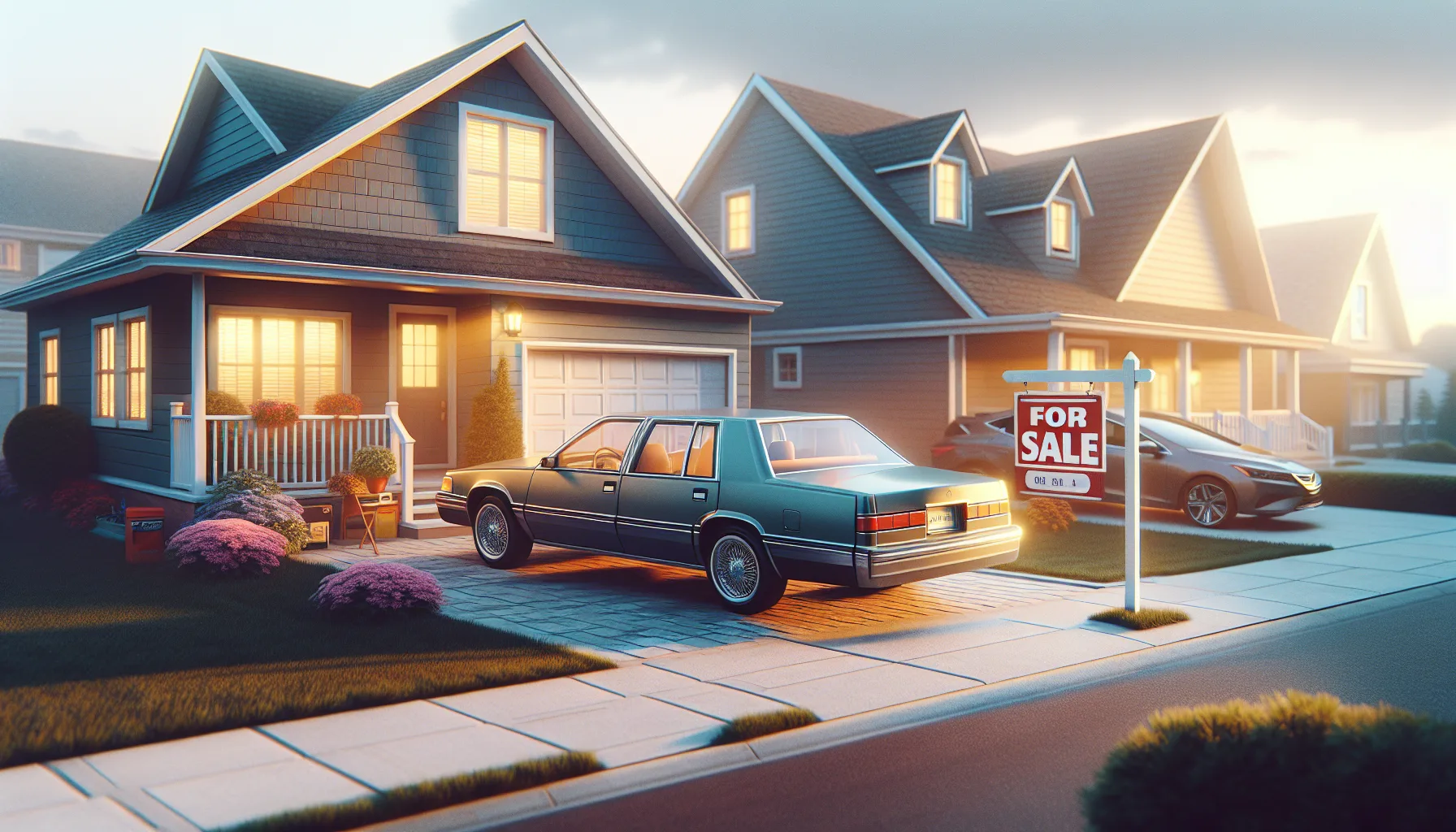
That old car sitting in your driveway with a dead battery and engine troubles doesn't have to be a permanent yard ornament. Whether your vehicle suffered engine failure, transmission problems, or simply won't turn over after years of faithful service, you can still sell scrap car Detroit residents and get meaningful cash for what others might consider worthless metal.
Non-running vehicles represent a significant portion of the used car market across Michigan, especially in industrial areas like Detroit where harsh winters and stop-and-go traffic take their toll on aging automobiles. The good news? Modern scrap metal auction platforms and specialized buyers actively seek these vehicles for their valuable components and recyclable materials.
Understanding Your Non-Running Vehicle's Hidden Value
A car that won't start still contains hundreds of pounds of valuable materials. The average passenger vehicle weighs between 3,000-4,000 pounds, with roughly 65% consisting of steel and iron. Your dead car also houses aluminum components, copper wiring, platinum group metals in the catalytic converter, and potentially valuable parts that other car owners desperately need.
Detroit's automotive heritage means local buyers understand vehicle value beyond basic scrap weight. They recognize that a 2018 Ford with transmission failure might have a perfectly good engine worth $2,000 to someone rebuilding a similar vehicle. This knowledge translates into better offers for sellers who know where to look.
Engine problems don't eliminate every component's worth. Your air conditioning system, electronic modules, seats, wheels, and body panels might be in excellent condition. Smart buyers evaluate the whole vehicle, not just the broken engine.
Preparing Your Dead Vehicle for Sale
Before you get a free car valuation, gather essential paperwork and remove personal items. You'll need the vehicle title to prove ownership, even for a non-running car. If you've lost the title, Michigan's Secretary of State office can issue a duplicate for a small fee.
Remove all personal belongings from the vehicle, including items stored in the glove compartment, center console, and trunk. Check under seats for loose change, important documents, or forgotten electronics. Many sellers overlook valuable items like garage door openers, which thieves could use to access your home.
Decide whether to remove valuable aftermarket parts before selling. High-end stereo systems, custom wheels, or performance modifications might fetch more money sold separately. However, removing these items could reduce your vehicle's overall appeal to buyers looking for complete vehicles.
Take clear photos of your vehicle from multiple angles, including close-ups of any damage or unique features. Honest documentation builds trust with potential buyers and helps you receive accurate quotes without surprises during pickup.
Exploring Your Selling Options in Detroit
Detroit offers multiple pathways for selling non-running vehicles, each with distinct advantages. Traditional junkyards focus primarily on scrap weight, often offering $200-500 for average passenger cars. While convenient, this approach rarely maximizes your return.
Free scrap car pickup Detroit services have revolutionized the local market by eliminating transportation headaches while offering competitive pricing. These services typically provide quotes over the phone or online, then handle all pickup logistics at no cost to sellers.
Specialized automotive recyclers look beyond basic scrap value to identify reusable components. A non-running 2020 Honda Civic might be worth $1,500-3,000 to recyclers who can sell the engine, transmission, and other parts to repair shops serving Michigan's large Honda owner population.
Online platforms connect sellers with a broader network of buyers, including automotive rebuilders, parts dealers, and export companies. This expanded reach often results in higher offers, especially for vehicles with valuable components or popular models.
Maximizing Your Return Through Modern Platforms
Today's scrap metal auction platform technology allows multiple buyers to compete for your vehicle, driving prices higher than traditional single-buyer scenarios. These platforms evaluate your car's make, model, year, condition, and location to connect you with buyers specifically interested in what you're selling.
Platforms like SMASH scrap streamline the entire process from initial valuation through final pickup. Instead of calling multiple junkyards for quotes, you submit one request and receive offers from vetted buyers across your region. This competition typically results in offers 20-40% higher than single-source quotes.
The key advantage lies in buyer specialization. Some buyers focus on late-model vehicles for parts export, others specialize in classic car restoration projects, and still others need specific metals for manufacturing. Your non-running car might be exactly what one buyer needs, leading to premium pricing.
Modern platforms also handle logistics seamlessly. Buyers arrange pickup times that work with your schedule, provide necessary paperwork, and transfer payment immediately upon vehicle inspection. No more waiting weeks for checks to clear or dealing with cash-only transactions.
Navigating Legal Requirements and Documentation
Michigan law requires proper title transfer even for non-running vehicles sold for scrap. Never sell to buyers who claim titles aren't necessary – this creates liability issues if the vehicle is later abandoned or involved in illegal activities.
When you sell scrap car in Michigan, complete the title transfer section on your vehicle title. Both you and the buyer must sign, and the buyer should provide their name and address. Keep a copy of the signed title for your records.
Cancel your vehicle registration and insurance once the sale completes. Contact your insurance company to remove the vehicle from your policy and avoid unnecessary premium charges. The Secretary of State will automatically cancel registration when you report the sale.
Some buyers provide additional documentation like bills of sale or pickup receipts. While not legally required, these documents provide extra protection and proof of the transaction's legitimacy.
Report the sale to Michigan's Secretary of State within 15 days using their online portal or by visiting a branch office. This removes your liability for the vehicle and prevents any future issues if new owners fail to properly register it.
Finding the right buyer for your non-running vehicle doesn't have to involve endless phone calls or disappointing lowball offers. Whether your car suffered catastrophic engine failure or simply reached the end of its useful life, modern platforms make it easier than ever to connect with trusted auto buyers in the USA through SMASH Cars and receive competitive offers. You can also schedule a free scrap car pickup that handles all the logistics while you focus on more important things. For additional insights about maximizing your vehicle's value, browse car selling tips on our blog where industry experts share proven strategies for getting top dollar regardless of your car's condition.
Frequently Asked Questions
Q: How much can I expect for a car that won't start in Detroit?
Non-running vehicle values in Detroit typically range from $300-2,500 depending on make, model, year, and overall condition. Newer vehicles with valuable parts command higher prices than older cars sold primarily for scrap weight. Getting quotes from multiple buyers through platforms like SMASH ensures you receive competitive offers.
Q: Do I need a title to sell my broken-down car in Michigan?
Yes, Michigan requires a valid title to sell any vehicle, including non-running cars sold for scrap. If you've lost your title, you can obtain a duplicate from the Michigan Secretary of State office. Avoid buyers who claim titles aren't necessary, as this creates legal liability issues.
Q: Will buyers really pick up my dead car for free in Detroit?
Legitimate scrap car buyers throughout Detroit offer free pickup as a standard service because they profit from the vehicle's materials and parts. However, verify pickup is truly free and included in your quoted price, not deducted later as a "convenience fee."
Q: Should I remove parts before selling my non-running vehicle?
This depends on the parts' value and your mechanical knowledge. High-value aftermarket items like custom wheels or premium audio systems might sell for more individually. However, most buyers prefer complete vehicles and may reduce offers for cars missing major components.
Q: How quickly can I sell a car that doesn't run in Detroit?
Modern platforms can arrange same-day or next-day pickup once you accept an offer. The entire process from initial quote to completed sale typically takes 24-72 hours, much faster than traditional methods that might take weeks to arrange.
Get connected with trusted auto buyers in the USA through SMASH — get your free offer at smash-cars.com.
Follow SMASH on LinkedIn for the latest industry updates and scrap metal market insights that help you time your vehicle sale for maximum value.