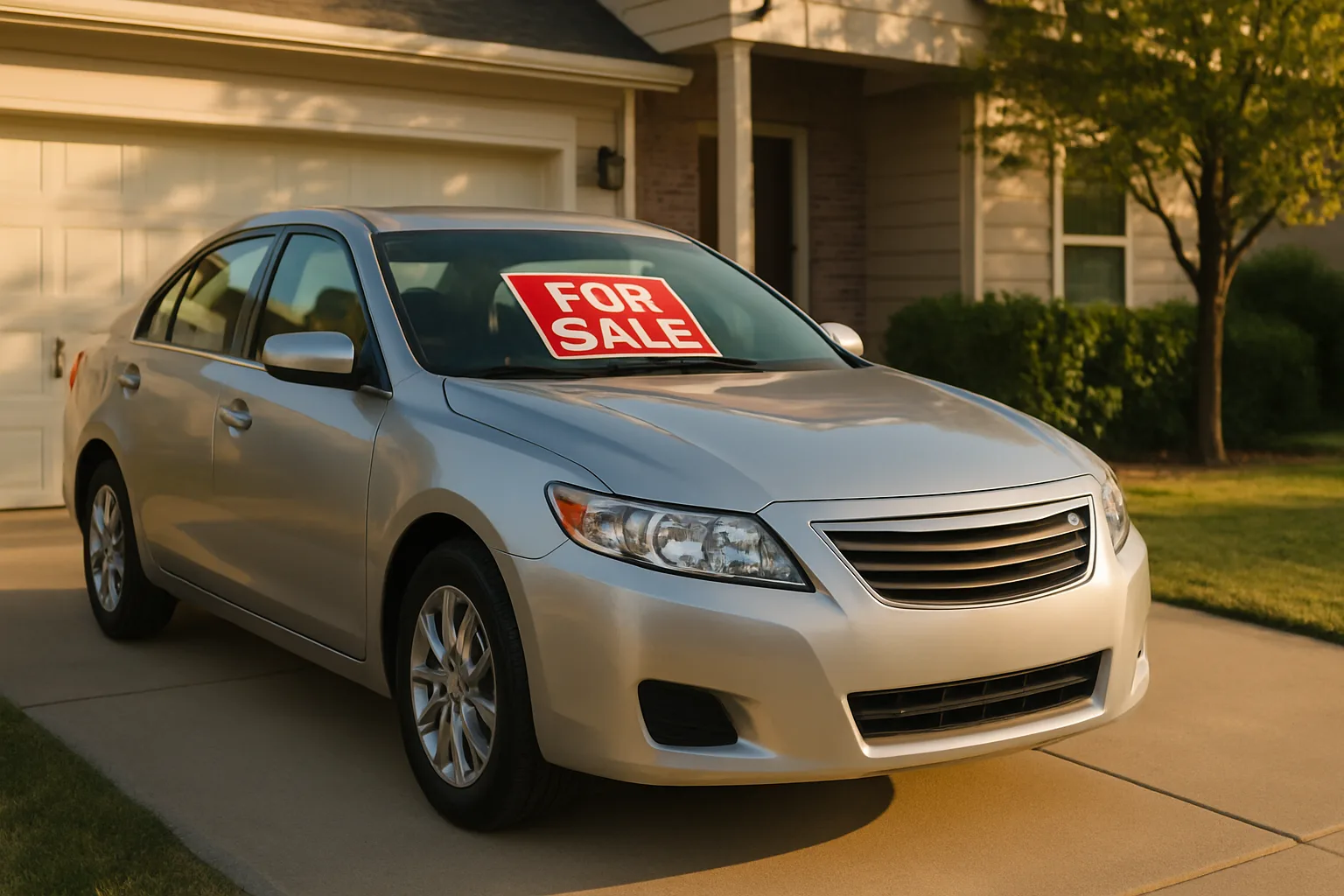
Most people selling an old, damaged, or unwanted car expect to get lowballed. One buyer, one number, take it or leave it. That's been the norm for decades — and it's cost sellers real money.
This is a case study about how that changes. It's about what happens when real competition enters the picture — and why cash for cars San Diego sellers are walking away with better outcomes when they stop accepting the first offer they get.
The Problem: One Buyer, One Offer, No Leverage
Here's how most private vehicle sales go. You've got a 2013 sedan with a blown transmission. Maybe it was in a fender bender. Maybe you just stopped driving it after switching to remote work. You call the first number you find online, someone offers you $350, and you feel like you have no idea if that's fair or not — because you don't.
That information gap is exactly what lowball buyers count on. They know most sellers won't call five different buyers. They know most sellers just want the car gone. So the offer reflects that: minimum price for minimum resistance.
This plays out constantly in California. San Diego alone has hundreds of thousands of registered vehicles, and plenty of them are sitting idle — flood-damaged, uninsured, inherited, or simply past their useful life for the owner. Without a transparent process, those sellers are flying blind.
How Competition Changes the Outcome — The SMASH Approach
The core idea behind connect with trusted auto buyers in the USA through SMASH Cars is simple: more buyers competing for your vehicle means better price discovery. When a seller submits a vehicle, it doesn't go to one buyer in a back room. It goes in front of vetted buyers who are actively competing to win the load.
This isn't hypothetical. Competition changes behavior. A buyer who knows they're the only option has no reason to offer top dollar. A buyer who knows three other buyers are looking at the same car has every reason to sharpen their number. That's the market working the way it's supposed to — and most private sellers never experience it.
SMASH facilitates exactly this process. The platform connects sellers with vetted buyers, documents the vehicle thoroughly — photos, condition details, VIN lookup — and runs a structured process that surfaces real market value rather than one buyer's best guess at what you'll accept.
What "Getting More Than Scrap Value" Actually Means
Scrap value is a floor, not a ceiling. A vehicle's scrap price is based on its weight in steel — roughly what a recycler would pay for the crushed metal alone. For a mid-size sedan, that can land anywhere from a few hundred dollars upward, depending on current steel markets and the weight of the car.
But most cars have components worth more than their steel. Catalytic converters, aluminum wheels, functional engines, intact glass, newer tires, working electronics — all of these have buyers who want them specifically. A car that books as $400 in scrap could be worth $800 to the right buyer who sees the parts differently.
That spread is what SMASH is built to capture. When you get a free car valuation, the goal isn't to find you the scrap floor — it's to find the buyer whose specific needs align with what your vehicle actually has. A 2008 truck with a blown engine and good rear axles is a different opportunity than a 2015 hybrid with a bad battery. Treating them the same is exactly how sellers leave money on the table.
If you want to dig deeper into how valuation works for different vehicle types, browse car selling tips on our blog — there's solid detail on what buyers actually look for.
Real Scenarios: What This Looks Like for San Diego Sellers
Let's get specific. These aren't invented testimonials — they're the types of situations SMASH handles regularly, described accurately.
The estate vehicle. A San Diego family is settling a parent's estate. There's a 2010 pickup in the driveway, registered but not insured, with a cracked windshield and a rough idle. Nobody wants to drive it. The family needs it gone without becoming a project. A single-buyer approach gets them an offer based on weight. A competitive process gets them buyers who know the truck market, know part values, and will pay accordingly.
The post-accident car. A driver in California gets rear-ended badly enough that the insurance company totals the vehicle. They get the salvage title and suddenly have a car they can't legally drive, sitting in their driveway. Junk car removal services exist — but not all of them surface the best offer. Platforms like SMASH put that vehicle in front of buyers who specifically work with salvage titles and damaged cars, which changes the number significantly.
The uninsured vehicle. Someone bought a second car during a good year, insurance lapsed, and now it's unregistered and parked. Selling a car without insurance or current registration is possible — but it limits your traditional options. A structured platform that handles the documentation side takes that friction off the seller's plate.
The upgrade seller. A San Diego resident buys a new vehicle and doesn't want to deal with private party sales for the old one. Trading it in gets them a fraction of value. Running it through a competitive buyer process gets them real offers from buyers who aren't constrained by dealer margins.
In each case, the result improves when the seller has options. That's not a slogan — it's basic economics.
Why Documentation and Vetted Buyers Matter
Here's something most sellers don't think about: the quality of information you provide directly affects the quality of the offer you get. Vague descriptions mean cautious buyers. Cautious buyers build in risk — which means lower offers.
SMASH uses structured documentation: photos, condition notes, VIN lookup, serial tracking where relevant. This isn't bureaucracy for its own sake. It's what gives buyers the confidence to bid accurately rather than defensively. A buyer who can see the actual condition of a vehicle — its catalytic converter, its interior, its tire wear — doesn't have to guess. And buyers who don't have to guess don't have to pad their lowball cushion.
The vetted buyer network matters too. Not every buyer who wants cheap cars is the right fit for every vehicle. SMASH connects sellers with buyers whose needs actually match what's being sold. That specificity is where real value gets unlocked — and it's why sellers across California, including those looking for San Diego scrap metal services, get outcomes that beat a cold call to a single buyer.
For sellers exploring additional removal options, explore scrap car removal services at GetMyScrapCar as well — knowing your full range of options is always the right move before you commit.
No Subscription Fees — SMASH Wins When You Win
One thing worth being direct about: SMASH doesn't charge sellers a subscription fee to access the platform. The model is aligned with seller outcomes. If you don't get a better deal, there's no win on the platform's side either.
That structure matters. It means the incentive is always to surface the best possible buyer, not just any buyer. It means the platform has a stake in making the process actually work — not just in charging you for the privilege of being listed.
For anyone selling a junk car, damaged vehicle, estate car, or simply an old vehicle they've outgrown, that alignment is meaningful. You're not paying to play. You're getting access to real competition, real buyers, and a documented process — and the platform benefits when you do.
The old way of selling scrap and end-of-life vehicles — one call, one number, no leverage — is exactly what platforms like SMASH exist to replace. Competition reveals the market. Documentation builds confidence. Vetted buyers mean the right fit, not just the first fit.
If you have a car in San Diego you need to move — whether it's damaged, inherited, uninsured, written off, or just taking up space — don't settle for the first number someone throws at you. Get connected with trusted auto buyers in the USA through SMASH and see what real competition looks like. Get your free offer at smash-cars.com.
Frequently Asked Questions
Q: How does cash for cars in San Diego actually work through SMASH?
You submit your vehicle details — condition, photos, VIN — and SMASH puts it in front of vetted buyers who compete for it. You get offers based on real market demand, not one buyer's opening guess. The process is straightforward and doesn't require a subscription or upfront fees.
Q: Can I sell a junk car in San Diego if I don't have a title?
Title requirements vary by state, and California has specific rules around vehicle transfers. In many cases, alternative documentation can be used — a bill of sale, registration history, or other proof of ownership. Contact SMASH directly to discuss your specific situation before assuming you're stuck.
Q: What affects how much I get for my junk car in San Diego?
Vehicle weight, condition, year, make, model, intact components (especially catalytic converters and aluminum), current metal market prices, and buyer demand all factor in. Cars are rarely worth just their scrap weight — specific parts or systems can significantly increase what a buyer will offer.
Q: How fast can I sell my car for cash in San Diego?
Many transactions move quickly once documentation is in order — often within a few business days. Same-day offers are possible in some cases. The timeline depends on vehicle condition, documentation readiness, and buyer availability in your area.
Q: Is selling a car after an accident or with a salvage title possible in California?
Yes. Buyers specifically seek salvage title and post-accident vehicles for parts, rebuilding, or recycling. California has a defined process for transferring salvage titles, and SMASH works with buyers who handle these transactions regularly. Having clear documentation of the vehicle's history helps surface better offers.
Follow SMASH on LinkedIn for industry updates, market insights, and tips on getting the most from your end-of-life or unwanted vehicle: SMASH on LinkedIn.